EASTER SALE – Extra 5% OFF everything. Use code EASTER - Ends 19th April 2026.

Untitled

Laminate Flooring Reviews 2023

Flooring Advice & Reviews
Updated: March 2026  |  15 min read

Expert Review

Laminate Flooring Review:
The Complete 2026
Australian Buyer’s Guide

Construction, AC ratings, real pros and cons, cost guide, best brands for Australian conditions, room-by-room suitability, and how laminate stacks up against hybrid — everything you need before you buy.

8.1
Expert Rating / 10
Scratch Resistance

Waterproofing

Timber Realism

Value for Money

Installation Ease

Maintenance

  • Price range $20–$75/m²
  • Thickness 7mm–12mm
  • Lifespan 10–25 years
  • Waterproof? Resistant only
  • DIY install? Yes
  • Warranty 15–30 years

Laminate flooring has been the go-to choice for budget-conscious Australian renovators for three decades — and in 2026, it’s better than it’s ever been. But it still has one significant Achilles heel that every buyer must understand before committing. Here’s our honest, expert assessment.

Walk the aisles of any Australian flooring showroom and laminate still commands more shelf space than almost any other product. And for good reason: it delivers the look of real timber at a fraction of the cost, it’s scratch-resistant enough for family life, and it installs quickly and cleanly with a click-lock system that even confident DIYers can handle.

But the flooring market has changed significantly. Hybrid flooring has emerged as a waterproof alternative that addresses laminate’s biggest weakness, and homeowners are rightly asking: is laminate still worth choosing in 2026? Our answer: yes — for the right rooms, the right budget, and the right buyer. This guide tells you exactly when it makes sense and when it doesn’t.

What Is Laminate Flooring?

Laminate flooring is a multi-layer synthetic flooring product engineered to replicate the look of natural timber, stone, or tile. It was first introduced to the Australian market in the late 1980s and has evolved dramatically since then, moving from flat, unconvincing prints to products that — at a glance — are genuinely difficult to distinguish from real hardwood.

The defining technology in modern laminate is the combination of high-density fibreboard (HDF) core — denser and more stable than standard particleboard — with a high-resolution photographic design layer and an aluminium oxide wear layer on top. The result is a rigid, dimensionally stable plank that installs as a floating floor using a tongue-and-groove click-lock system.

How Laminate Flooring Is Built — Layer by Layer

Understanding laminate’s construction helps you evaluate products intelligently and spot the difference between a quality floor and a budget one. Every laminate plank is built from four core layers fused together under intense heat and pressure.

Laminate Flooring Construction — Cross Section
Wear Layer (Aluminium Oxide Coating)The transparent protective top coat. Made from melamine resin fortified with aluminium oxide particles — one of the hardest naturally occurring substances. This layer determines scratch, stain, and UV resistance. Its AC rating (AC3 to AC5) is the single most important spec to check when comparing products.

Design Layer (High-Definition Print)A high-resolution photographic image of timber, stone, or tile, printed on paper and infused with resin. Modern digital printing and Embossed-in-Register (EIR) technology creates surface textures that align precisely with the visual pattern — the key reason premium 2026 laminate is so convincingly realistic.

HDF Core (High-Density Fibreboard)The structural heart of the plank. Made from compressed wood fibres bonded with resin under high pressure. The click-lock system is milled directly into this core. Quality matters here: a denser HDF core resists impact better, holds click-lock joins more securely, and shows less expansion under humidity. This is where budget laminates cut corners.

Backer Layer (Moisture Barrier)The bottom layer provides structural balance, preventing the plank from warping or cupping. It also creates a moisture barrier from below — from the subfloor — though it does not make the core waterproof. On quality products, an attached underlayer of foam or cork may also be integrated here for acoustic performance.

Understanding AC Ratings: The Spec That Matters Most

The Abrasion Class (AC) rating is the international standard for laminate flooring durability and is the single most important number to understand when comparing products. It is determined by independent testing against wear, impact, staining, and scratch resistance.

AC Rating Classification Suitable For Recommended?
AC1 Moderate Residential Bedrooms only, light traffic Avoid
AC2 General Residential Living rooms, dining rooms Budget use only
AC3 Heavy Residential All home areas, light commercial Good baseline
AC4 General Commercial High-traffic residential, boutiques, offices Recommended
AC5 Heavy Commercial High-traffic commercial, public spaces Premium choice

⚡ The Flooring Guys’ Recommendation

For Australian family homes in 2026, AC4 is the minimum we recommend for any living area, hallway, or open-plan space. AC3 is acceptable for bedrooms or studies with minimal foot traffic. Avoid AC1–AC2 products regardless of their price appeal — the lifespan difference is enormous in practice.

Laminate Flooring: The Real Pros and Cons

We’ve installed laminate across hundreds of Australian homes over two decades. Here is our field-tested, honest assessment — without the marketing gloss.

↑ The Advantages

  • Most affordable timber-look flooring available — typically $20–$55/m² supply cost for quality AC4 product
  • Exceptional scratch resistance — aluminium oxide wear layer outperforms many vinyl and hybrid products
  • UV colour stability — quality laminate resists fading better than solid timber in sun-drenched Australian rooms
  • Realistic timber aesthetics — EIR technology in 2026 creates genuinely convincing grain, texture, and colour variation
  • Wide design range — Blackbutt, Spotted Gum, Grey Oak, European Oak, herringbone patterns all available
  • Easy DIY installation — click-lock system, no glue or nails required, beginner-friendly
  • Low day-to-day maintenance — sweep, vacuum, occasional damp mop
  • Excellent acoustic options — thicker planks with attached underlay perform well for sound insulation
  • Consistent appearance — no natural warping, colour variation, or gaps from seasonal movement (in dry areas)
  • Strong warranties — quality brands offer 15–30 year residential guarantees

↓ The Drawbacks

  • Not waterproof — HDF core swells and warps under sustained moisture; cannot be used in bathrooms or laundries
  • Cannot be sanded or refinished — once worn, the floor must be replaced entirely
  • Hollow sound underfoot — without a quality attached underlay, laminate can sound hollow or “clicky” when walked on
  • Shorter lifespan than hybrid or engineered timber — budget product may show wear in 5–7 years in high-traffic areas
  • Requires a level subfloor — 3mm over 2 metres; uneven concrete needs grinding or levelling compound
  • Adds floor height — 7–12mm plus underlay can affect door clearances
  • Separate underlay often required — unlike most hybrid flooring, underlay is typically not pre-attached
  • Not suitable for outdoor use

⚠ The Critical Point — Moisture

Laminate’s HDF core is water-resistant, not waterproof. Modern products with waxed edge sealing can withstand accidental spills if wiped promptly — some products guarantee up to 168 hours of spill protection. But sustained moisture, flooding, or installation in bathrooms or laundries will cause swelling, warping, and joint separation. This is the defining limitation of laminate in the Australian context, and it’s why hybrid flooring has taken market share in wet-area applications.

Room-by-Room Suitability Guide

Laminate is not an all-home solution. Here’s where it excels, where it’s acceptable, and where you should choose a different product entirely.

🛋️
Living Room
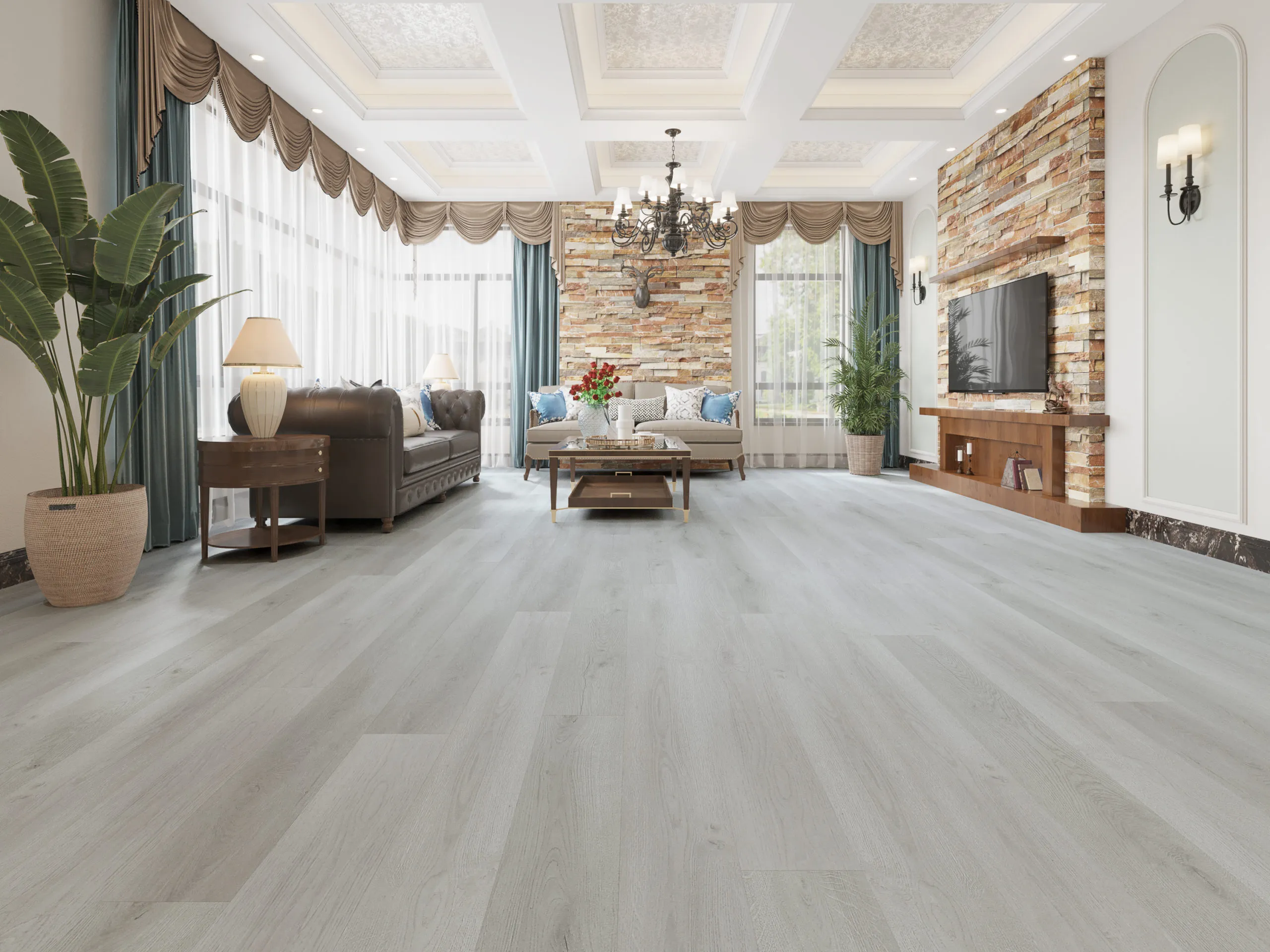
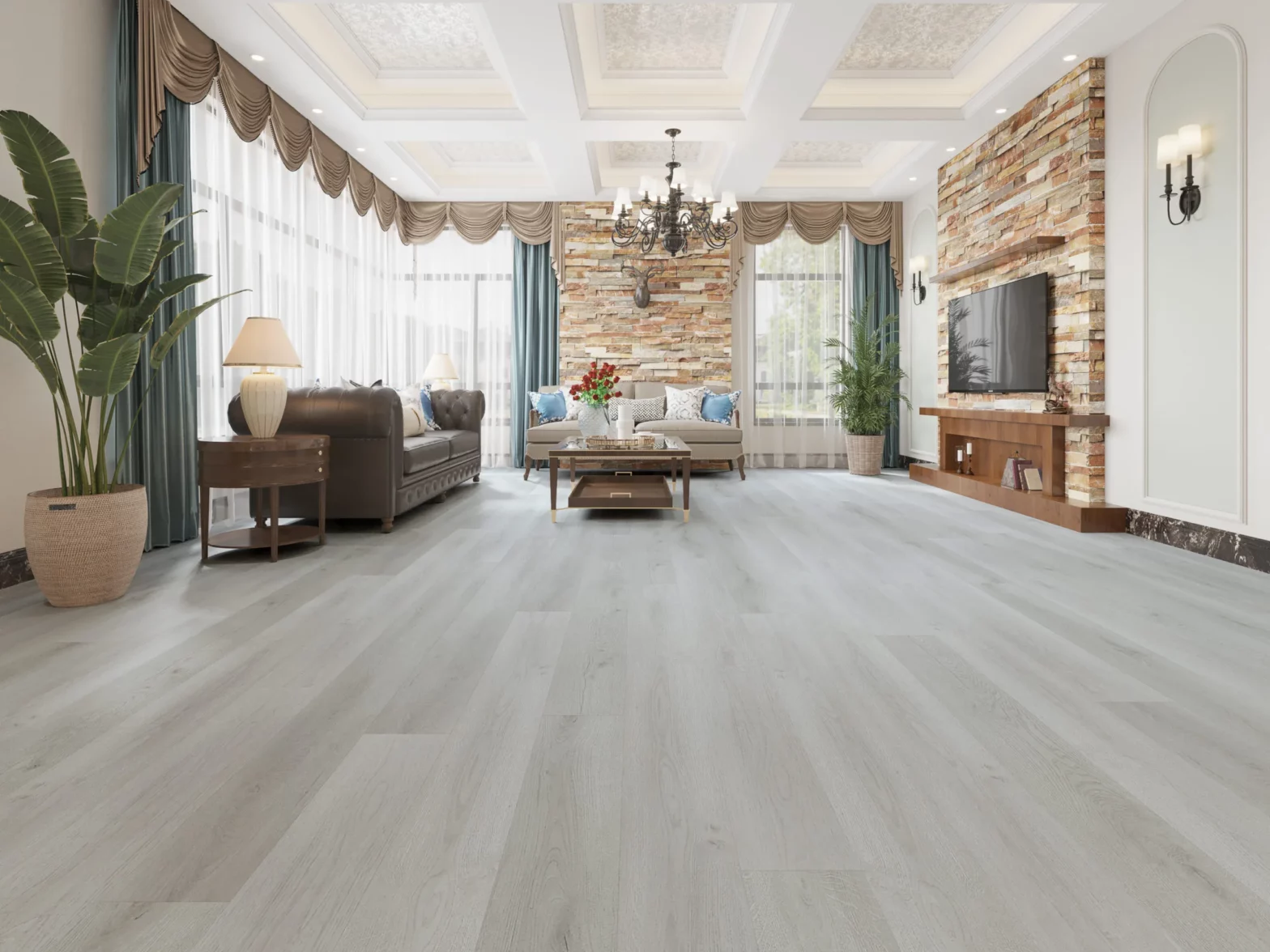
Ideal — high traffic, AC4+ recommended, minimal moisture risk
🛏️
Bedroom
Excellent — AC3 suitable, warm and quiet underfoot with good underlay
🚶
Hallway
Good — AC4 or AC5 strongly recommended for high-traffic wear
🍽️
Dining Room
Acceptable — wax-edge sealed product preferred; clean spills quickly
🍳
Kitchen
Caution — only with premium wax-sealed joins; consider hybrid instead
🛁
Bathroom
Avoid — moisture will damage HDF core; use hybrid or tile
👕
Laundry
Avoid — high moisture environment; use waterproof flooring only
🏢
Home Office
Excellent — AC4 handles chair casters; looks professional
🏠
Outdoor / Deck
Never — not suitable for any exterior application

Laminate Flooring Cost Guide — Australia 2026

Laminate remains the most price-competitive timber-look flooring option available in Australia. Here is a realistic breakdown of what to expect at each budget tier.

Tier Supply (per m²) Install (per m²) Thickness AC Rating Best For
Budget $20–$32 $20–$30 7–8mm AC2–AC3 Rentals, low-traffic bedrooms, short-term use
Mid-Range $33–$52 $28–$38 10–12mm AC4 Family homes, living areas, hallways
Premium $53–$75+ $35–$50 12mm+ AC4–AC5 Statement spaces, commercial use, long-term install

A realistic all-in budget (supply + professional installation) for a quality mid-range laminate floor is $60–$90 per m². For a typical 100m² home, expect to pay $6,000–$9,000 fully installed. Always add 10% material allowance for waste, and confirm whether underlay, door undercutting, and removal of old flooring are included in your quote — these are common hidden costs.

Best Laminate Flooring Brands in Australia (2026)

The Australian laminate market is well-served by several consistently reliable brands. Here’s our field assessment of the key players.

Quick-Step (Belgium)

Quick-Step is the benchmark for premium laminate in Australia and is one of the few major laminate brands still manufactured in Europe. Their Hydroseal surface technology provides superior spill resistance, their AC4–AC5 rated products deliver outstanding long-term durability, and their Uniclic click-lock system is among the most precise in the market. For homeowners investing in quality that will last 20+ years, Quick-Step is our top recommendation. The price premium is genuine and justified.

Perspective Nature (Quick-Step Range)

Within the Quick-Step stable, the Perspective Nature range earns consistent praise as the most realistic European oak laminate available in Australia. Using 3D scanning of real timber planks — capturing authentic grain, knots, and colour variations — the surface and embossing quality is without peer at its price point. The shorter plank length (1.38m) is a minor practical limitation, but the aesthetics are unmatched.

AquaFloor

A standout performer in the moisture-resistance category. AquaFloor’s distinctive black fibreboard composition — rather than standard melamine resin and wood fibres — delivers exceptional moisture protection (168-hour spill warranty on compatible products). Offered in both Australian hardwood and European oak designs, it is a compelling choice for dining rooms and kitchens where laminate is genuinely tempting but moisture risk is real.

Mid-Range Performers

Several reputable mid-range brands consistently deliver excellent value in the $35–$52/m² supply range. The key differentiators at this tier are HDF core density, click-lock tolerance consistency, and warranty support. Our recommendation: always purchase from a specialist flooring retailer who can advise on specific product quality — not from a hardware chain where product quality can vary considerably within the same brand range.

Laminate vs Hybrid: Which Should You Choose?

This is the most important decision facing Australian flooring buyers in 2026, and the answer depends almost entirely on where you’re installing and what you’re prioritising.

Feature Laminate Hybrid (SPC) Winner
Waterproof Resistant only 100% waterproof Hybrid
Scratch Resistance Excellent (AC4–5) Very good (0.5mm+) Laminate
Supply Cost $20–$75/m² $35–$90/m² Laminate
UV / Colour Stability Excellent Good (risk of fading) Laminate
Built-in Underlay Rarely included Usually included Hybrid
Temperature Stability Moderate Excellent Hybrid
Sound / Acoustic Feel Good (with underlay) Good (built-in) Draw
Bathroom / Laundry Safe No Yes Hybrid
Refinishable No No Draw
Lifespan (residential) 10–25 years 15–25 years Hybrid (slight edge)

Our recommendation: choose laminate for dry areas where budget is a priority and scratch resistance is paramount. Choose hybrid for any wet area, any room where moisture is a realistic risk, and anywhere you need maximum climate stability. In a whole-home renovation, many of our clients use laminate in bedrooms and studies, and hybrid in living areas, kitchens, and wet zones — achieving the best value from both products.

Installation Tips for Australian Homes

Acclimatisation Is Non-Negotiable

Laminate must be allowed to acclimatise in the room where it will be installed for a minimum of 48–72 hours before laying. Australia’s temperature swings can cause laminate to expand or contract significantly if installed before the planks have adjusted to the ambient conditions. Skipping this step is the most common cause of post-installation buckling and gap formation.

Expansion Gaps Around Every Fixed Object

Leave a minimum 8–10mm expansion gap around all walls, door frames, cabinetry, pipes, and fixed fixtures. Laminate expands more than hybrid under temperature and humidity changes — insufficient expansion gaps are the leading cause of buckling floors. Cover gaps with skirting boards or scotia moulding after installation.

Underlay Selection Matters

Unlike most hybrid flooring, laminate rarely comes with underlay pre-attached. Underlay selection significantly affects acoustic performance, warmth underfoot, and the solidity of the installed floor. Over concrete slabs, use an underlay with a built-in moisture barrier (DPM). Over timber subfloors, a standard foam or cork underlay is sufficient. Budget 2–5mm of thickness and $5–$12/m² for quality underlay.

Subfloor Preparation

The subfloor must be within 3mm flatness over any 2-metre span. Grind high spots on concrete and fill low spots with levelling compound. On timber subfloors, check for and secure any squeaking or movement before installing. A poorly prepared subfloor will cause hollow spots, movement, and failed click-lock joins regardless of the product quality above it.

Frequently Asked Questions

Is laminate flooring waterproof?

No — laminate is water-resistant, not waterproof. Its HDF core is vulnerable to sustained moisture and will swell, warp, and delaminate if exposed to standing water or installed in wet areas. Modern products with waxed edge sealing provide meaningful protection against accidental spills (some products up to 168 hours) — but laminate should never be installed in bathrooms, laundries, or any area with consistent moisture exposure. For those areas, hybrid or tile is the correct choice.

How long does laminate flooring last?

Quality AC4 laminate flooring installed correctly in appropriate dry areas typically lasts 15–25 years in residential settings. Budget AC2 products in high-traffic areas may show significant wear in 5–7 years. The wear layer thickness and AC rating are the primary determinants of longevity. Most reputable brands offer 15–30 year warranties — always check the specific warranty conditions, as most exclude moisture damage, incorrect installation, and commercial use.

What AC rating do I need for my home?

For Australian family homes in 2026, we recommend AC4 as the minimum for any living area, hallway, dining room, or open-plan space that receives regular foot traffic. AC3 is acceptable for bedrooms or home offices with light traffic. If you have pets, children, or a busy household, AC4 is the right baseline. AC5 is excellent for very high-traffic areas or if you want maximum longevity — though the price difference over AC4 is meaningful.

Is laminate flooring good for pets?

Yes — laminate’s aluminium oxide wear layer is one of the most scratch-resistant surfaces available in any flooring category, and it outperforms many hybrid and vinyl products in scratch resistance. For pets, the key considerations are: choose AC4+ for nail scratch protection, use wax-sealed edge products if accidents are likely, and clean pet messes promptly to avoid moisture penetrating the joins. Laminate is a genuinely practical choice for pet owners in dry areas of the home.

Can I install laminate flooring myself?

Yes — laminate is one of the most DIY-friendly flooring products available. The click-lock system requires no glue or nails, and a confident home handyperson can typically lay a standard room in a day with basic tools (mitre saw or jigsaw, tapping block, pull bar, and spacers). The most important preparation steps are proper subfloor levelling and acclimatisation. For rooms with complex shapes, obstacles, or awkward doorways, professional installation may be worth the cost.

How does laminate flooring compare to hybrid in Australia?

The core difference is waterproofing. Hybrid flooring’s rigid SPC or WPC core is fully waterproof — safe in bathrooms, laundries, and kitchens. Laminate is not. Laminate has a slight edge on scratch resistance and UV colour stability, and is typically less expensive at comparable quality tiers. For dry-area rooms in a family home where budget matters, laminate remains an excellent choice. For wet areas or whole-home waterproofing requirements, hybrid is the superior option.

What is the best laminate flooring brand in Australia?

Quick-Step, manufactured in Belgium, is our consistent top recommendation for quality laminate in Australia. Their Hydroseal surface technology, precise Uniclic click-lock system, and AC4–AC5 rated products offer outstanding long-term performance. The Perspective Nature range is particularly impressive for timber realism. For budget-conscious buyers, several mid-range brands available through specialist flooring retailers offer solid AC4 performance — we recommend avoiding the very cheapest products sold through hardware chains, where quality control is less consistent.

Can laminate flooring be installed over tiles?

Yes — laminate can be installed over existing tiles provided the tiles are flat, firmly bonded, and within the 3mm levelness tolerance over 2 metres. Loose or cracked tiles should be re-bonded or removed first. The floating installation means no glue or nails into the tile surface. Note that installing over tiles adds additional floor height, which may require door undercutting.

The Flooring Guys — Final Verdict

Is Laminate Flooring Worth It in Australia in 2026?

Absolutely — in the right application. For dry areas of the home — bedrooms, living rooms, hallways, home offices — quality AC4 laminate remains one of the best-value flooring decisions an Australian homeowner can make. It’s scratch-resistant, realistic, affordable, easy to maintain, and the technology in 2026 is genuinely impressive.

The one firm rule: never install laminate in wet areas, and never buy AC2 or below. Those two mistakes account for the vast majority of dissatisfied laminate buyers we encounter. Get those two things right, and laminate will serve you beautifully for 15–25 years.

Get a Free Quote →


Leave a comment

0
YOUR CART
  • No products in the cart.