

Vinyl plank is the fastest-growing residential flooring category in Australia, and most of that growth is deserved — modern click-lock vinyl is genuinely waterproof, properly hard-wearing, and a fraction of the cost of timber. But it’s not the right answer for every room, and the cheap end of the market is genuinely cheap. Here’s an honest read on where vinyl plank earns its keep and where it falls short.
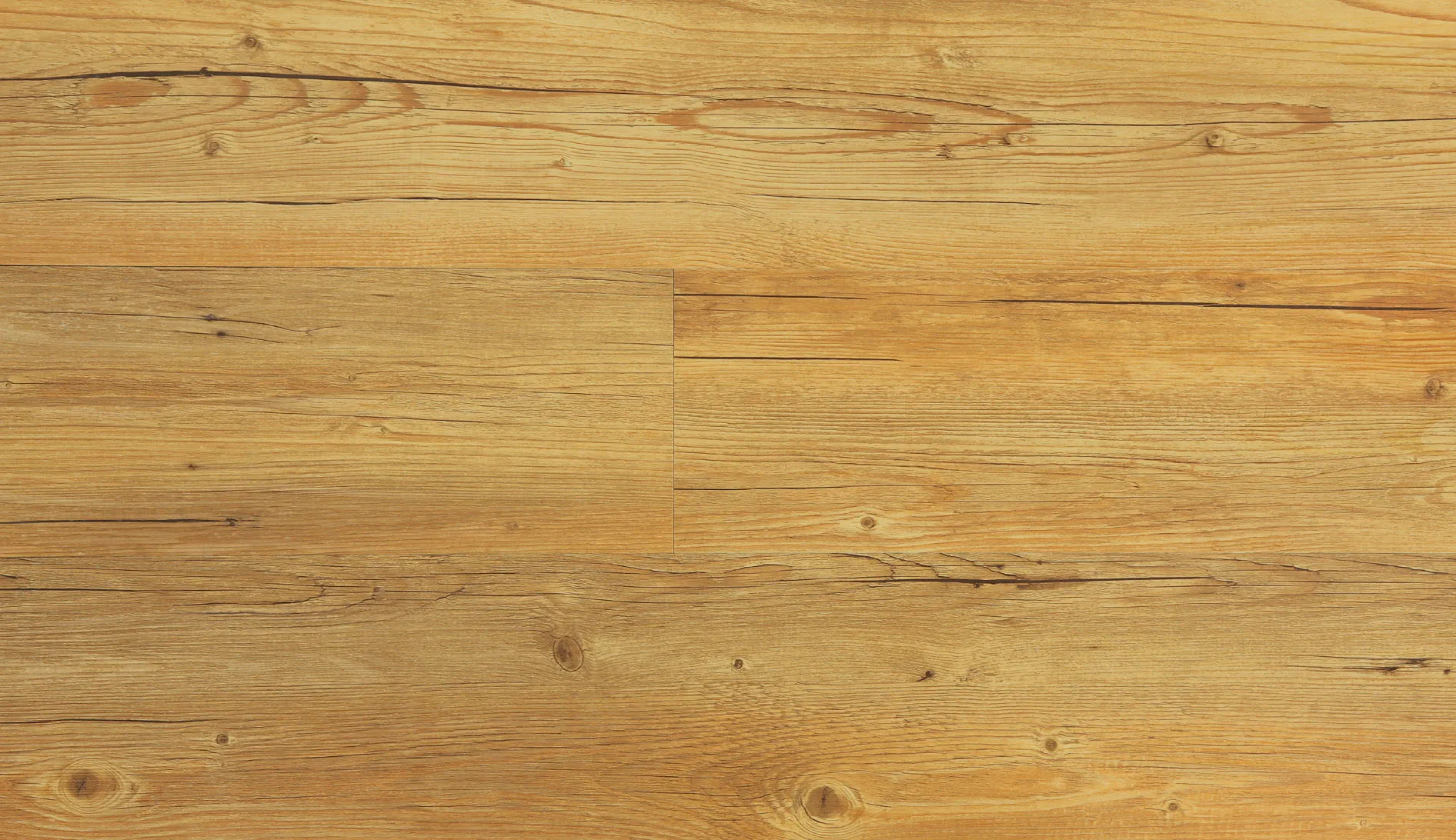
The pros
It’s properly waterproof
A modern SPC (stone-polymer composite) vinyl plank has a fully waterproof core. Spill a glass of wine, leave a wet mop, get a kitchen leak — the plank itself doesn’t swell. That’s the headline difference between vinyl and laminate. For kitchens, laundries, mudrooms and any house with kids or pets, this matters more than any other spec. For a wider view of the category, our waterproof flooring options guide compares vinyl against tile and hybrid.
DIY-friendly install
Click-lock vinyl is the most forgiving floor a confident DIYer can lay. Most current ranges use a 5G drop-lock joint, which a competent home renovator can install over a flat slab or sheet underlay without specialist tools. We cover the joint mechanics in our 5G and 2G click systems explainer. If you’re laying onto a concrete slab, the prep notes in our lay vinyl on a concrete floor guide are worth reading first.
Cheaper than timber, by a lot
Supplied vinyl plank typically lands in the $30-$70 per m² range for residential-grade product, against $80-$180 per m² for engineered timber and $150-plus for solid Australian hardwoods like Spotted Gum or Blackbutt. Install costs are lower too, because vinyl floats over an underlay rather than needing batten or staple-down systems. Total job cost for a 60 m² living area is often half what timber would be. We’ve broken down the numbers in our hybrid flooring cost guide.
Easy day-to-day care
The wear layer on a quality vinyl plank is a urethane-coated PVC film that wipes clean with warm water and a pH-neutral cleaner. No oiling, no recoating, no sanding. Pet hair, sand tracked in from the beach, juice spills — all surface-level. That’s a real advantage over oiled timber, which needs an annual maintenance coat to keep its finish.
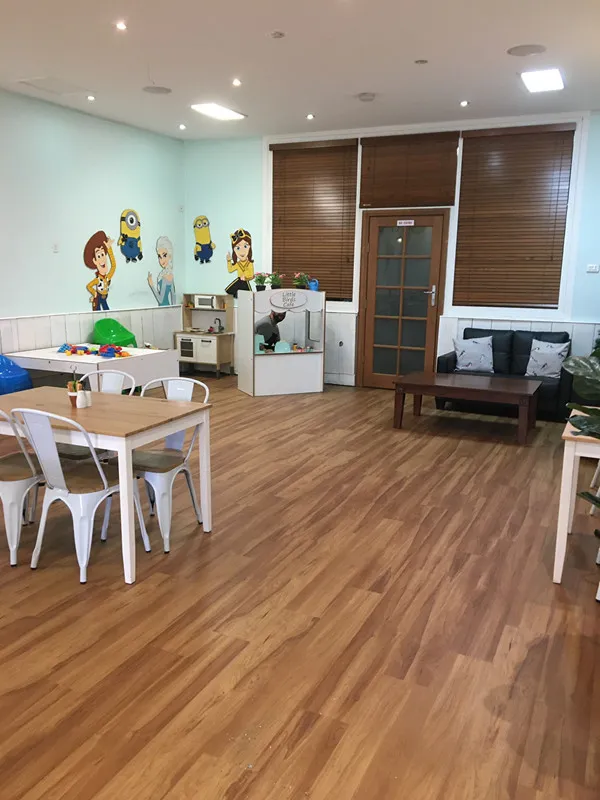
The cons
Cheap vinyl looks cheap
The bottom of the vinyl market — typically 4-5 mm planks with a 0.3 mm wear layer and a flat factory print — looks plastic from the moment it’s laid. Repeating-pattern decors, flat embossing, and shiny finishes all signal “cheap floor” in a way that’s hard to unsee. Mid-range and premium vinyl (6-8 mm with a 0.5 mm or thicker wear layer, registered embossing, matte finish) closes most of the visual gap with timber, but you have to spend for it. Walk on a sample in daylight before you commit.
UV exposure can fade lighter colours
Australian sunlight is brutal on flooring of any kind, and lighter vinyl colourways are particularly prone to fading where direct afternoon sun lands on them — typically near west-facing sliding doors. Better-quality ranges use UV-stabilised wear layers and pigments, but we’d still recommend external blinds or sheer curtains in any room with floor-to-ceiling glazing.
Soft enough to dent under heavy point loads
Vinyl is harder than carpet but softer than timber or tile. A piano leg, a fridge wheel, or a stiletto heel can leave a permanent indent. SPC cores are firmer than older WPC vinyl and resist this better, but no vinyl is dent-proof. Use felt pads under furniture and wide casters under heavy appliances.
Repairs aren’t seamless
If you damage a plank, you can lift and replace it — but only if you’ve kept spare boxes from the original install, and only if the colourway is still in production. Vinyl ranges turn over every 2-3 years, so a five-year-old floor may need a substitute plank from a current range, which won’t match exactly. Always order 10% extra at install and store the offcuts.
Not as recyclable as natural materials
Vinyl is a PVC-based product. End-of-life recycling streams in Australia are limited, and most retired vinyl floors go to landfill. If lifecycle environmental impact is a top criterion, engineered timber over a multi-ply core is the better answer.
When vinyl plank is the right call
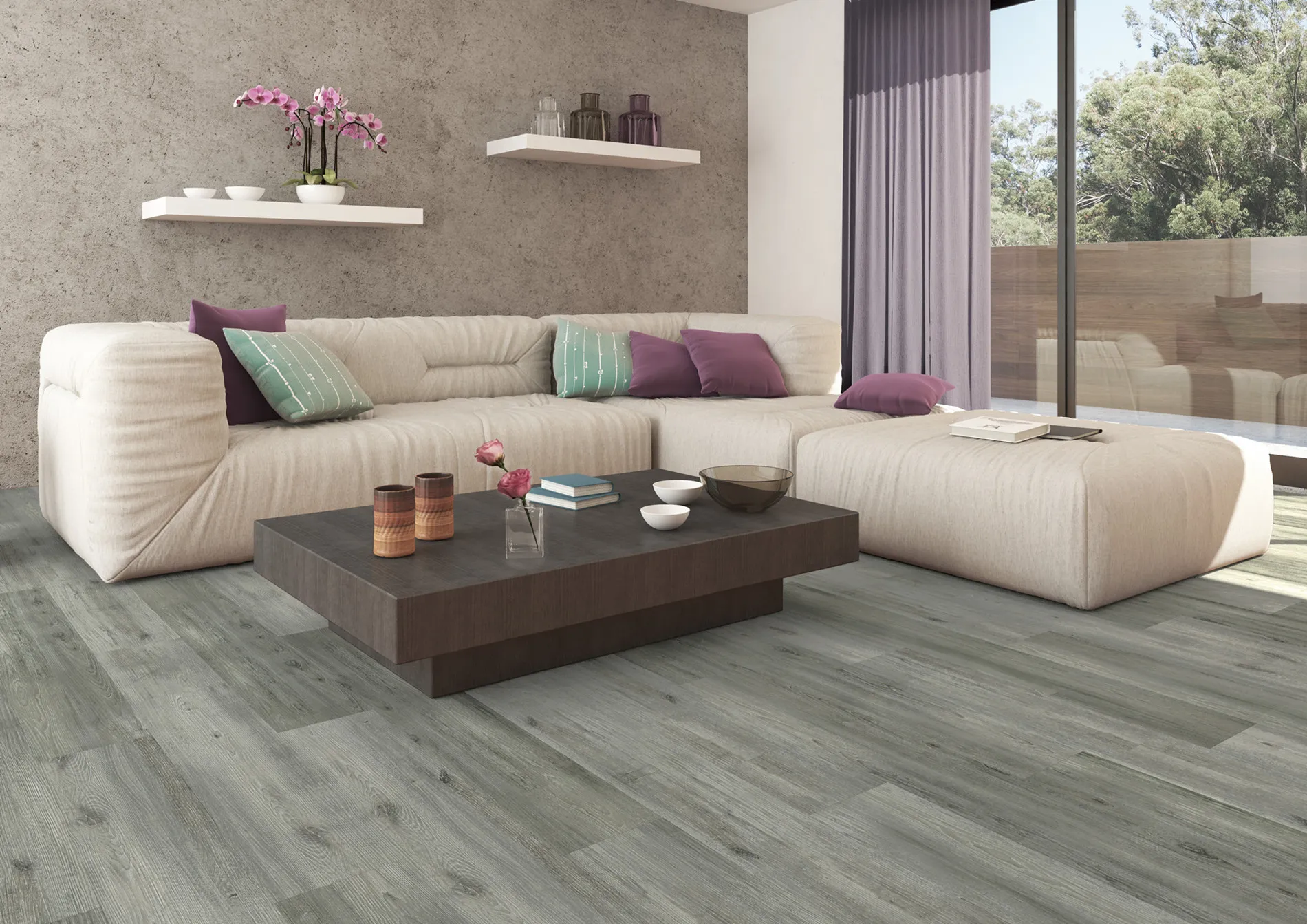
Vinyl plank suits most Australian homes most of the time. Pet households, families with young kids, ground-floor slabs, and anyone renovating a kitchen or wet area on a budget are all natural fits. The two situations where we’d push back: a heritage interior where authenticity matters and you can stretch to engineered or solid timber, and a feature room (formal entry, study, master bedroom) where a herringbone timber pattern would lift the space in a way no vinyl can.
What to check before you buy
- Total plank thickness (5 mm minimum, 6-8 mm preferred for residential).
- Wear-layer thickness (0.3 mm is bedroom-only, 0.5 mm covers main living areas, 0.7 mm-plus for kitchens and entries).
- Core type (SPC for hard-wearing, WPC for a softer underfoot feel).
- Click system (5G drop-lock for DIY, 2G angle-tap for tighter joints with installer experience).
- Warranty terms — read what’s excluded, especially around heated subfloors and direct sunlight.
Bring a sample home, lay it where you’d be walking on it, and look at it in your own daylight. The right vinyl plank will look right immediately. The wrong one always looks slightly off, and no amount of styling fixes that.
Ready to shop? Browse our full vinyl plank flooring range online, or drop into our Sydney or Brisbane showroom to see the range in person.