
Australian flooring guide · Reviewed 2026
How to Remove Scuff Marks from Hybrid Flooring
Scuff marks on hybrid flooring will lift with a soft rubber eraser, a damp microfibre cloth, or a mild baking-soda paste in most cases.
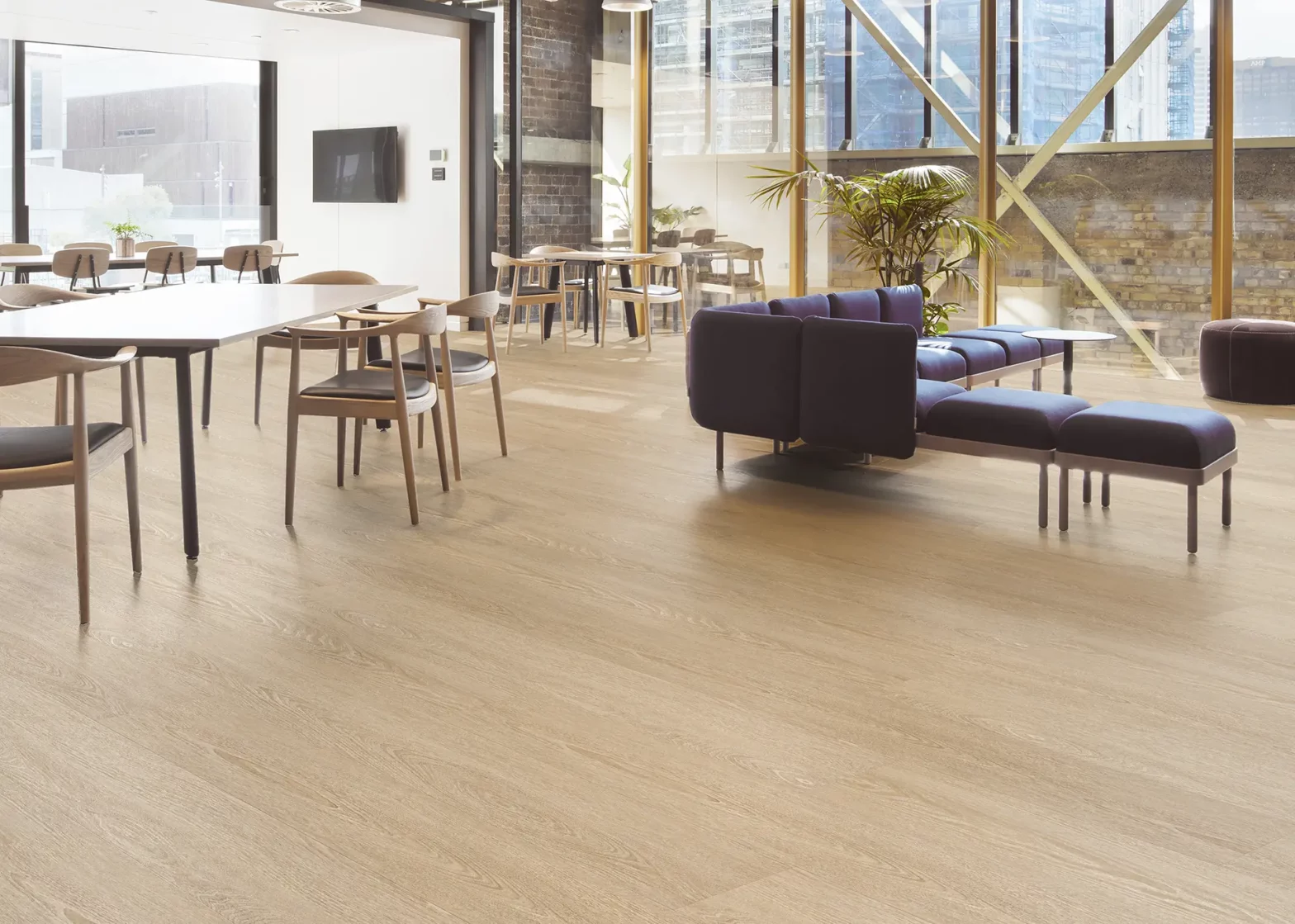
Scuff marks on hybrid flooring will lift with a soft rubber eraser, a damp microfibre cloth, or a mild baking-soda paste in most cases. The key is to start with the gentlest method and only step up if the mark hasn’t shifted. Hybrid planks have a printed wear layer over an SPC or rigid core, and abrasive scrubbers, harsh solvents and steam mops can dull or damage that layer permanently.
What causes scuff marks on hybrid flooring
Most scuffs are rubber transfer, not damage to the floor itself. Soft-soled shoes, chair glides, suitcase wheels and rubber-footed furniture leave a thin film of black or grey rubber sitting on top of the wear layer. Because the mark is on the surface, it usually wipes off without much effort once you use the right tool. Actual gouges or scratches into the wear layer are a different problem and won’t come out with cleaning.
The methods that actually work
Soft rubber eraser
The first thing to try, especially on small marks. A standard white pencil eraser, used dry with light pressure, lifts most rubber-transfer scuffs in a few seconds. Wipe the residue away with a damp microfibre cloth afterwards. This is the safest method because nothing wet or chemical touches the plank.
Baking soda paste
For larger or more stubborn marks, mix a tablespoon of baking soda with enough water to make a thick paste. Apply with a soft cloth, rub in small circles with light pressure, then wipe clean with a damp cloth and dry with a second cloth. Don’t leave the paste sitting on the floor — baking soda is a mild abrasive and prolonged contact can dull the finish on some hybrid wear layers.
White vinegar and water
One part white vinegar to four parts warm water in a spray bottle. Mist lightly onto a microfibre cloth (not directly onto the floor), wipe the scuff in the direction of the plank’s grain, then dry. This works well for greasy or kitchen-area scuffs where the rubber transfer has bonded with cooking residue. Rinse the area with a fresh damp cloth afterwards so no vinegar film is left behind.
Melamine sponge (the “magic eraser”)
A melamine sponge will shift almost any scuff but it is mildly abrasive at a microscopic level. Use it sparingly, dampened (not soaked), with very light pressure, and only on marks the gentler methods didn’t move. Test in an out-of-the-way spot first — under a rug or behind a door — so you can check it isn’t dulling the surface sheen on your particular plank.
What to avoid
The damage we see most often comes from the cleaning, not the scuff. Keep these off your hybrid floor:
- Steel wool, scouring pads or stiff-bristled brushes — they scratch the wear layer.
- Bleach, ammonia, acetone or solvent-based cleaners — they can soften the printed layer and leave permanent dull patches.
- Wax, polish or oil-soap floor finishes — they leave a residue hybrid floors aren’t designed to take and turn the surface streaky.
- Steam mops — the heat and moisture can lift the click joints and damage the wear layer over time, even though the plank itself is waterproof.
- Excess water — pooled water at plank seams is the main cause of edge swelling on lower-quality hybrids.
How to stop scuffs in the first place
Felt pads under chair and table legs are the single most useful thing you can do — replace them every six to twelve months because grit embeds in worn pads and turns them into a fine sander. A good entry mat catches the grit before it gets onto the floor. Lift furniture rather than dragging it, and check the wheels on office chairs and vacuums; hard plastic castors on a hybrid floor will scuff and eventually scratch. A weekly vacuum on the hard-floor setting and a damp microfibre mop with a pH-neutral cleaner is all the routine maintenance most hybrid floors need.
When the mark won’t shift
If you’ve worked through the methods above and the mark is still there, you’re looking at a scratch or a dye transfer rather than a surface scuff. Single-plank replacement is possible on most click-system hybrid floors if you’ve kept a few spare planks from the original install. If you didn’t, a colour-matched repair pen designed for vinyl and hybrid floors can hide a small mark well enough that you’d need to be looking for it. For a wider view of how hybrid stacks up against other resilient floors, see our guides to the best hybrid flooring brands in Australia, the difference between hybrid and SPC flooring, and the broader range of waterproof flooring options. If you’re a Sydney or Brisbane customer and the mark is in a high-visibility spot, drop into one of our showrooms with a photo and we can talk through repair or replacement options.
Sources and verification
- The Flooring Guys: current hybrid flooring range — current products, thickness filters and advertised supply pricing.
Compare the complete floor, not one headline number.
Bring your room dimensions, subfloor details and any strata requirement. We can help shortlist compatible products and prepare an itemised flooring quote.