
Australian flooring guide · Reviewed September 2026
Best Engineered Timber Flooring Brands in Australia
The honest answer: there isn’t one single “best” engineered timber flooring brand in Australia.
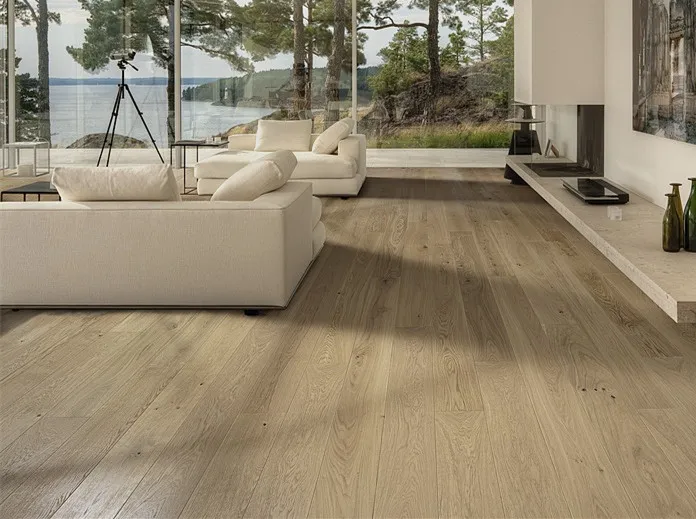
The honest answer: there isn’t one single “best” engineered timber flooring brand in Australia. There are three or four ranges that consistently hold up in real homes, and the right pick depends on the wear-layer thickness you need, the look you’re after, and the room you’re laying it in. This guide walks through what to actually check on the spec sheet, then names the engineered ranges we stock at The Flooring Guys and where each one fits.
What you’re actually paying for in engineered timber
Engineered timber is a real-timber top layer (the lamella) bonded to a multi-ply or HDF core. Most of the price difference between brands comes down to four things, in this order:
- Wear-layer thickness. The real timber on top is usually 2 mm, 3 mm or 4 mm. A 2 mm lamella can be lightly buffed and recoated once. A 3 mm or 4 mm lamella can be sanded back properly and refinished — that’s the engineered floor that lasts 25-plus years.
- Core construction. European birch or eucalyptus multi-ply is the most stable. HDF cores are cheaper but more sensitive to humidity swings and can’t be sanded.
- Finish. UV-cured oil shows the timber grain and is repairable in patches. Polyurethane lacquer is harder-wearing on day one but harder to spot-repair when it scuffs.
- Plank width and length. 220 mm-plus wide planks cost more, look better in open-plan rooms, and need a flatter subfloor to lay well.
If you want a more detailed breakdown of where the dollars go, we’ve costed it out in the engineered timber flooring prices guide.
Engineered ranges we’d recommend
Swish Oak Contemporary
Swish Oak Contemporary is the range we steer most renovators toward when they want a clean, modern oak floor without going to the very top of the budget. European oak lamella, multi-ply core, UV-oiled or matte-lacquered finishes, in widths around 190-220 mm. The Elegant Natural Oak colourway is the all-rounder — works with white joinery, black tapware, and the warm-grey paint palette that’s everywhere in Australian new builds right now.
Swish Oak Natura Handcrafted
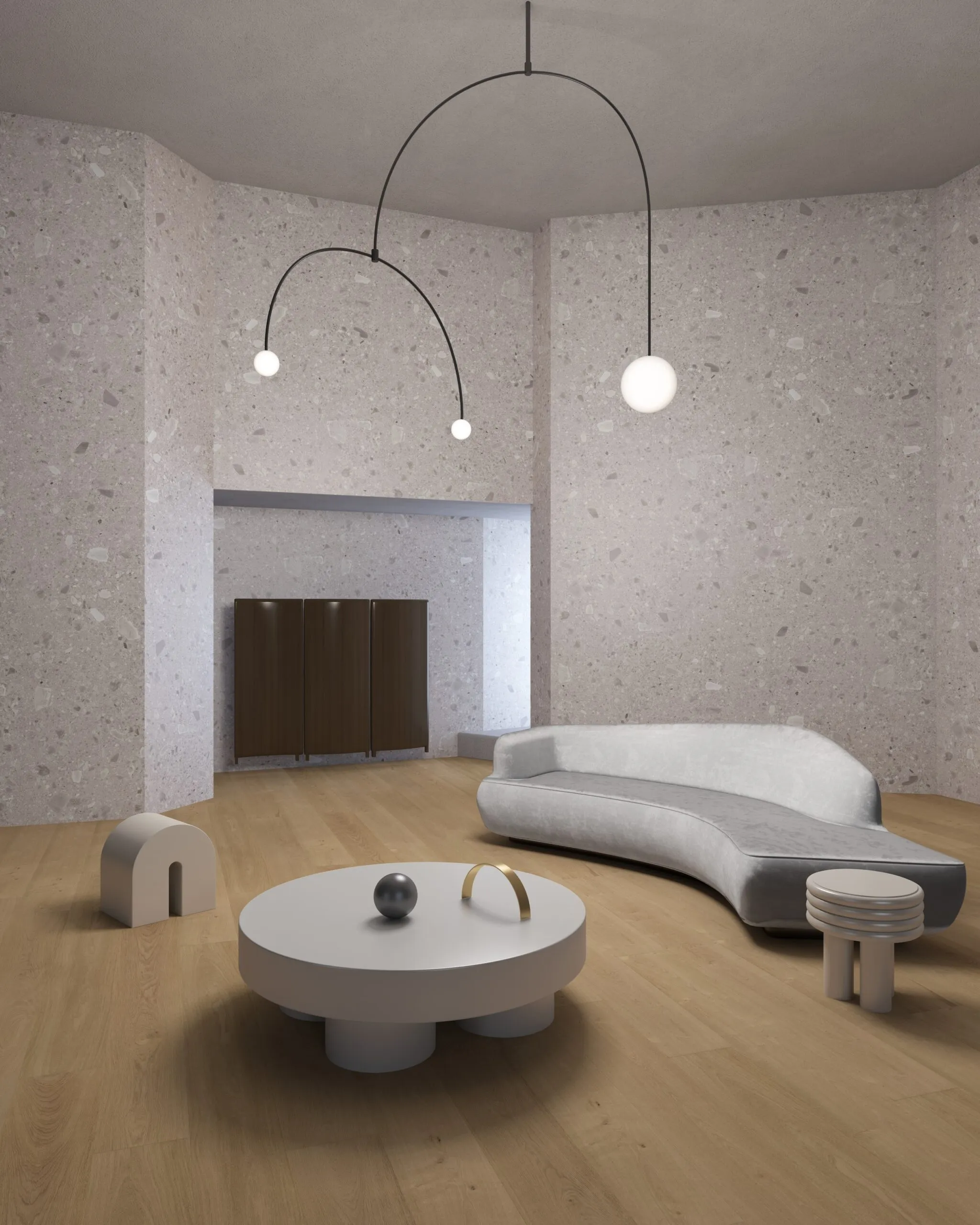
The Natura Handcrafted range is for buyers who want character — visible knots, brushed grain, and a hand-finished surface texture rather than a flat factory finish. It pairs particularly well with traditional or heritage interiors. Sunlit Sienna and Natural Canvas are the two we sell most of. Because the surface is brushed, light scratches blend in over time rather than catching the eye.
Swish Oak Natura Herringbone
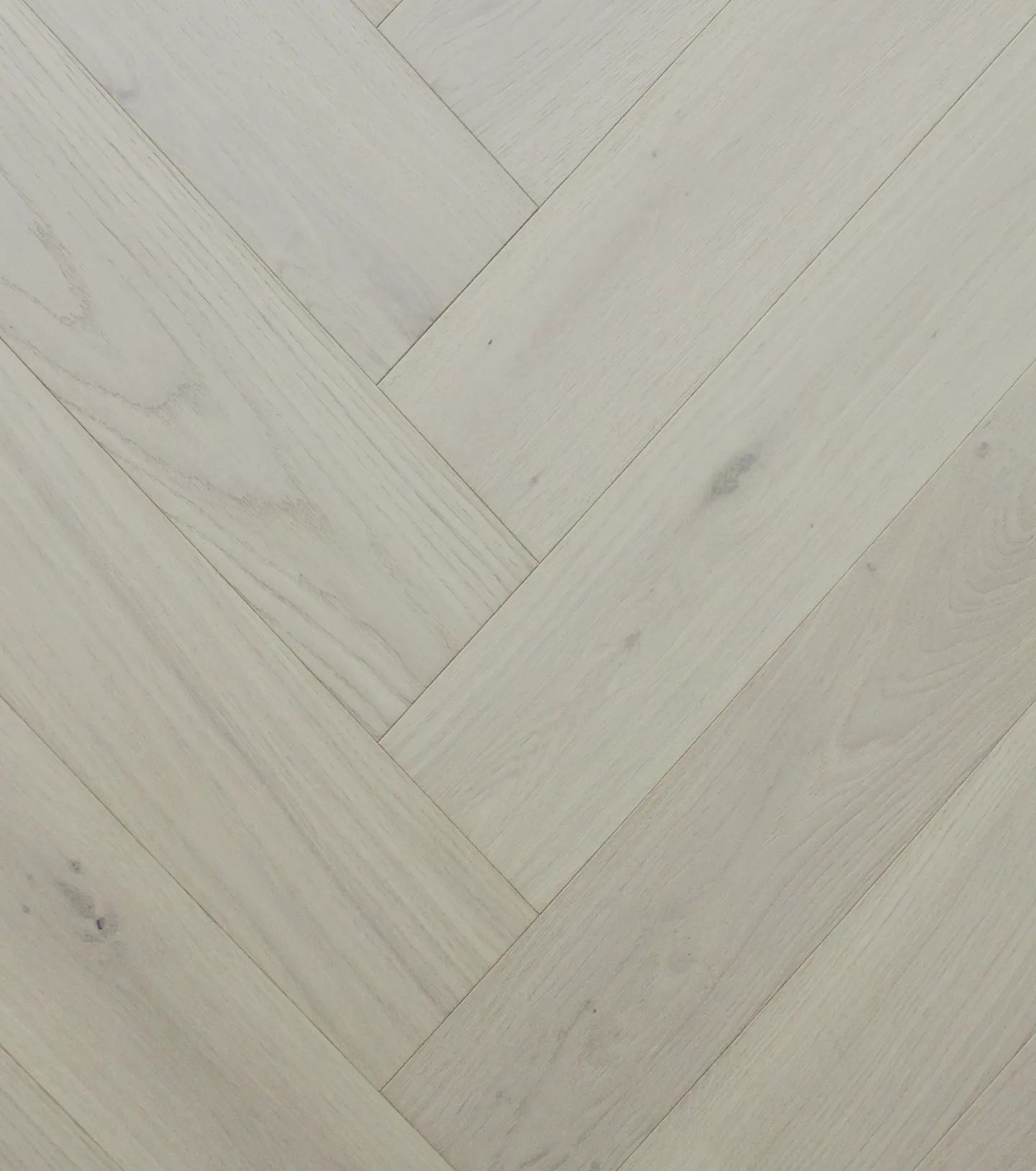
If you’re laying a feature floor in an entry, formal living, or bedroom, the herringbone format earns the extra labour cost. Each block is shorter and narrower than a standard plank, the install takes longer, and the layout has to be set out from the centre line of the room. The payoff is a floor that genuinely lifts the room. Our herringbone flooring hub has the full range and pattern options, and the choosing between herringbone and straight flooring guide covers when the pattern is worth the premium.
How to compare brands without getting lost in marketing copy
Walk into any flooring showroom and ask three questions before you ask about colour:
- How thick is the real timber wear layer? Anything under 2 mm and you can’t refinish it later.
- What’s the core made of, and is the plank rated for residential or also light commercial use?
- What’s the warranty against delamination and finish wear, and what voids it (heated subfloors, high humidity, pet claws)?
Two brands at the same price point can have very different specs. A 2 mm lamella with HDF core is a different product to a 4 mm lamella over multi-ply, even if the colours look identical online.
Where engineered timber suits, and where it doesn’t
Engineered timber is the right pick for living areas, hallways, dining rooms and most bedrooms. It handles seasonal humidity better than solid timber and can be installed over concrete slabs — which solid Australian hardwoods can’t do without battens. We’ve covered room-by-room picks in the best flooring for bedrooms guide.
Where engineered timber doesn’t suit: wet zones (bathrooms, laundries, pool surrounds) and ground-floor rooms in flood-prone areas. The lamella is real timber, and real timber doesn’t like standing water. For those spaces, hybrid or SPC is the safer call.
The short answer
For most Australian homes, a European-oak engineered floor with a 3 mm wear layer over a multi-ply core, in a 190-220 mm plank, is the sweet spot. Swish Oak Contemporary covers the modern look, Swish Oak Natura Handcrafted covers character-grade interiors, and the Natura Herringbone range covers feature rooms. Bring a swatch home, look at it under your own daylight, and check it against your kitchen joinery and skirtings before you commit. We carry these ranges across our Sydney and Brisbane showrooms — happy to walk you through the spec sheets in person.
What separates a good engineered floor from an average one
Before we get to specific ranges, four spec details decide whether an engineered timber floor lasts 10 years or 25-plus:
- Wear-layer thickness. The real timber on top is typically 2 mm, 3 mm or 4 mm. Anything under 2 mm and you can’t refinish it later — once it scuffs, it’s done.
- Core construction. European birch or eucalyptus multi-ply is the most stable across humidity swings. HDF cores are cheaper but less forgiving in older Australian homes without controlled climate.
- Finish. UV-cured oil shows the grain and is repairable in patches. Polyurethane lacquer is harder on day one but harder to spot-fix when it scuffs.
- Plank width. 190-220 mm is the modern look. Wider planks need a flatter subfloor or you’ll get drumminess and joint movement.
If you want the dollar figures behind those choices, we’ve broken them down in the engineered timber flooring prices guide.
Quick-Step Cascada
Cascada is Quick-Step’s Australian-species engineered range, and the Blackbutt and Spotted Gum colourways are the picks if you want a native Australian timber look without the cost or movement of solid hardwood. The clicking system is fast for an experienced installer and the planks are pre-finished, so there’s no on-site sanding or coating. We rate it for renovators who like the idea of a timeless Aussie timber tone but live somewhere with humidity swings that would punish a solid Blackbutt floor.
Nature’s Oak Timber
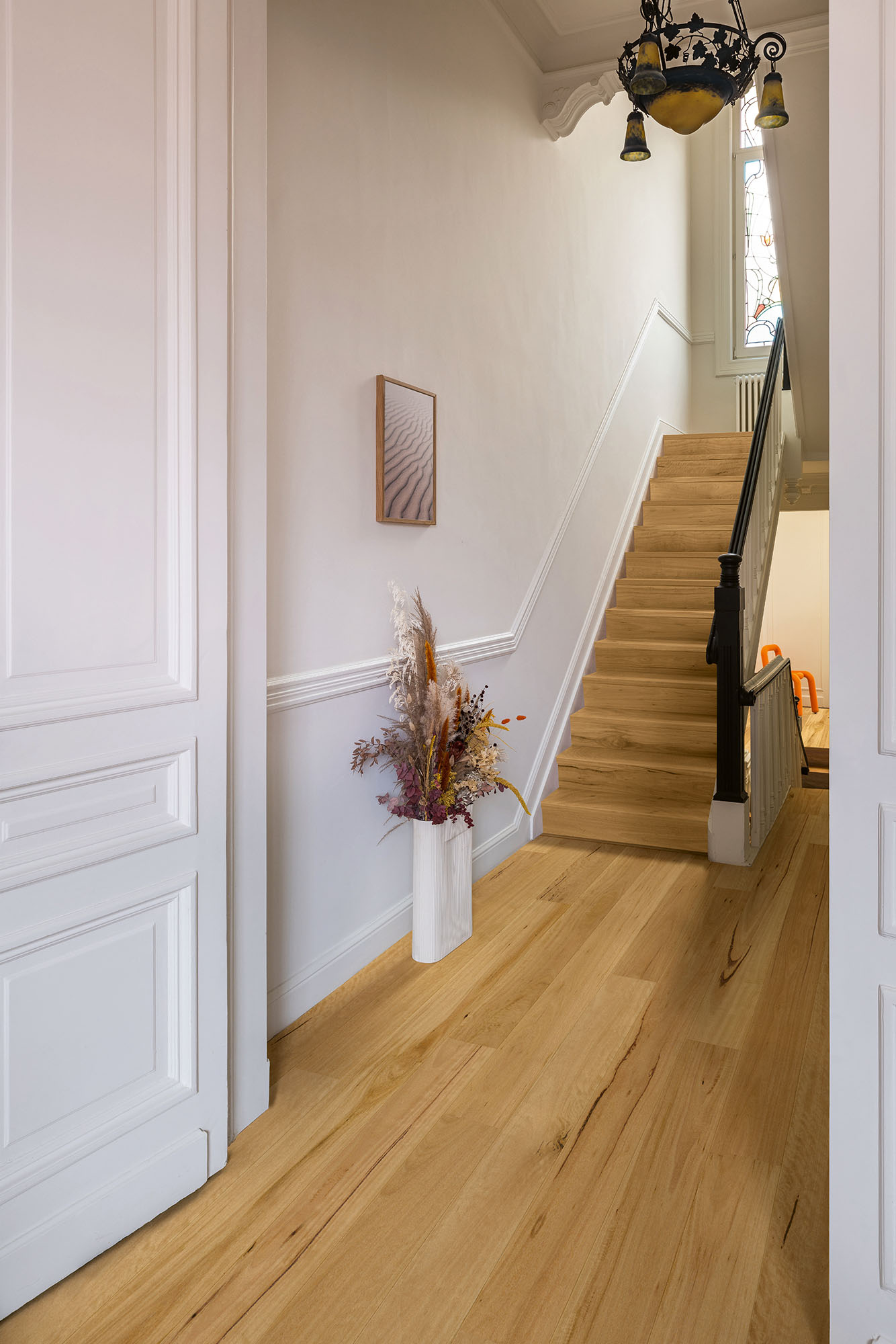
Nature’s Oak is the value-end pick on this list — European oak engineered planks at a sharper price point than Swish, in 165 mm widths. Matterhorn, Dolomite and Sierra are the three colourways we move most of. It’s the right call for investment properties, secondary bedrooms, or whole-house refits where the budget needs to stretch. The wear layer is thinner than the Swish ranges, so we’d flag it as a 15-year floor in a busy household rather than a refinish-it-twice 30-year floor.
What to verify before you buy
Match the exact range
Check the current data sheet, warranty, care guide and room-suitability statement for the product code you will receive.
Inspect the substrate
Measure moisture and flatness, confirm access and finished height, and price any preparation before installation begins.
Compare complete quotes
Include removal, preparation, waste, trims, stairs, doors, furniture and warranty responsibilities—not only the material rate.
Dated examples may be historical; current product availability, warranties, pricing and approval requirements should be rechecked. Words such as “best” describe a decision for a particular room and budget, not one universally superior product.
Sources and verification
- The Flooring Guys: Timber flooring articles — related guides and current product questions.
- Flooring installation cost estimator — indicative project inputs and installation scope.
Choose the floor around the room and the complete installation.
Bring room dimensions, subfloor details and any apartment or access requirements. We can help shortlist products and prepare an itemised quote.