
Australian flooring guide · Reviewed September 2026
Oak or Pine Floors: Which Is Better in Australia?
Oak and pine sit at opposite ends of the timber flooring market: oak is the premium hardwood that most engineered flooring is made from, pine is the budget softwood used in older Australian homes and in rustic renovations.
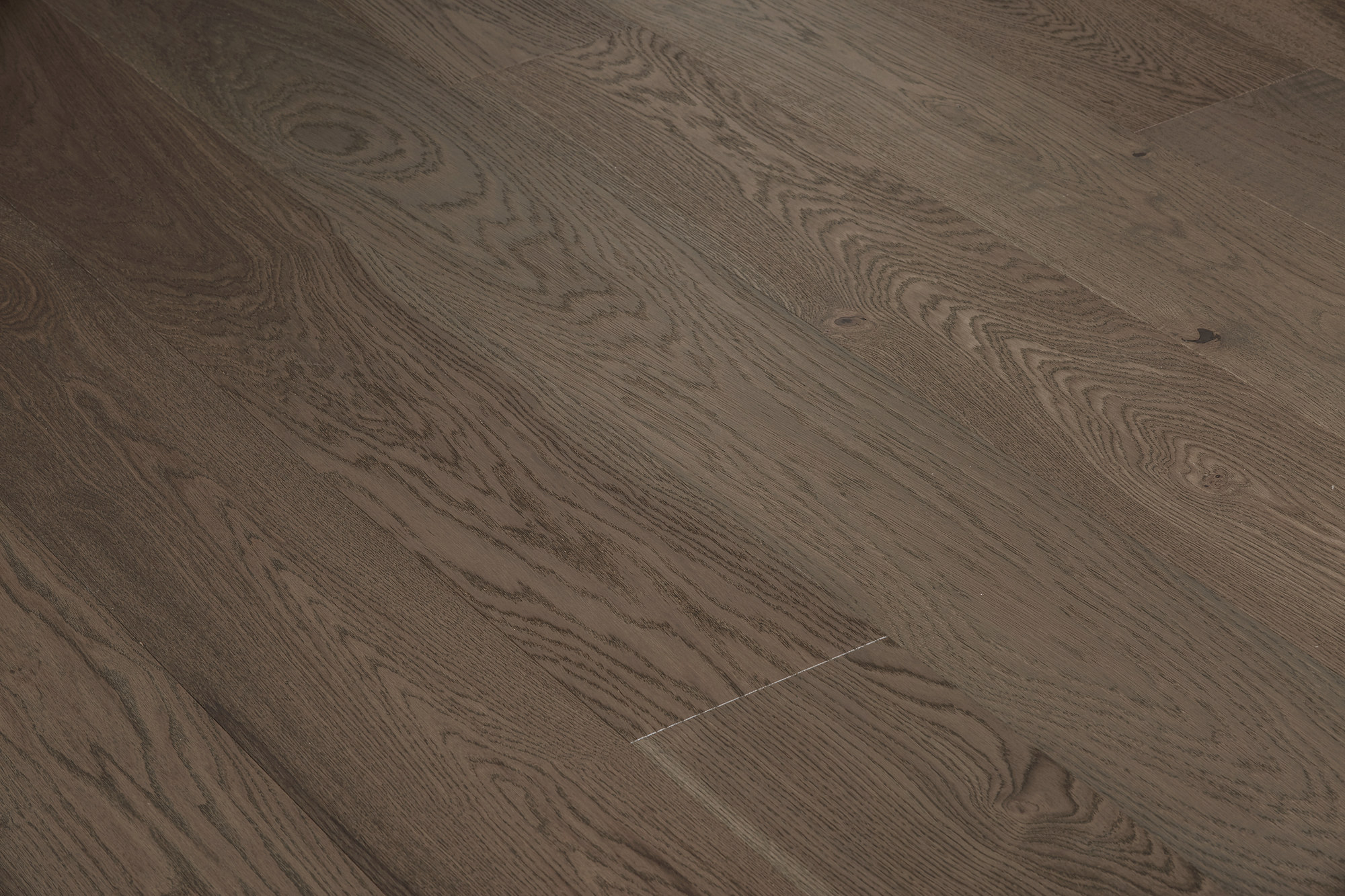
Oak and pine sit at opposite ends of the timber flooring market: oak is the premium hardwood that most engineered flooring is made from, pine is the budget softwood used in older Australian homes and in rustic renovations. They are not really competitors on quality, but they are on price, and each has rooms where it makes sense.
Hardness
European oak rates about 6 kN on the Janka scale and American white oak about 6 kN as well. Radiata pine, the pine used in most Australian construction, rates around 3.3 kN, and cypress pine about 5 kN. In practice that means a dropped pan will dent a pine floor and mark an oak one. Neither is as hard as the Australian hardwoods like spotted gum at 11 kN, but oak is roughly twice as dent-resistant as radiata pine.
Look
Oak has a long, open cathedral grain with medullary rays, knots and mineral streaks that give it depth. It takes stain and reactive finishes exceptionally well, which is why the same oak board is sold in everything from white-washed to smoked charcoal. Pine is paler and yellower with prominent dark knots and a busier, more rustic grain. It yellows further with age and sunlight, and it is harder to stain evenly because the soft early wood soaks up more than the hard late wood.
Cost
Solid pine boards are the cheapest timber floor available, often half the price of oak. Engineered oak starts around $70 per square metre and runs to $160 for thick, wide boards. Because pine is rarely sold as engineered flooring, comparing them usually means comparing a solid pine floor that needs sanding and coating on site against a pre-finished engineered oak board, and once labour is included the gap narrows considerably. See the installation cost guide for the labour side.
Where pine makes sense
- Restoring the original floor in a Federation or Californian bungalow, where pine boards are what the house came with.
- Bedrooms, studies and holiday houses where traffic is light and a few dents read as character.
- A tight budget where the alternative is carpet or vinyl and you want real timber.
Where oak makes sense
- Living areas, hallways and kitchens, where hardness matters.
- Any home where you want a specific colour, because oak is the timber the whole colour palette is built on.
- Renovations over a concrete slab, where engineered oak can be floated or glued and pine generally cannot.
The middle ground
If you want the price of pine with the durability of oak, engineered oak with a thinner 2 to 3mm lamella sits between them, as does a good oak-look hybrid or laminate. Browse the engineered timber range and compare against the hybrid range before deciding; the price difference is often smaller than people expect.
Frequently asked questions
Is pine flooring durable enough for a family home?
In bedrooms and low-traffic rooms, yes. In a hallway or kitchen with children and pets it will dent and scuff noticeably.
Can pine floors be sanded and refinished?
Yes, and that is their advantage. Old pine boards can be sanded several times, though the soft timber sands quickly so a light touch is needed.
Is oak flooring worth the extra cost?
In rooms you use daily, yes. It resists denting, holds its colour better and has a much wider choice of finishes.
Choose the floor around the room and the complete installation.
Bring room dimensions, subfloor details and any apartment or access requirements. We can help shortlist products and prepare an itemised quote.