
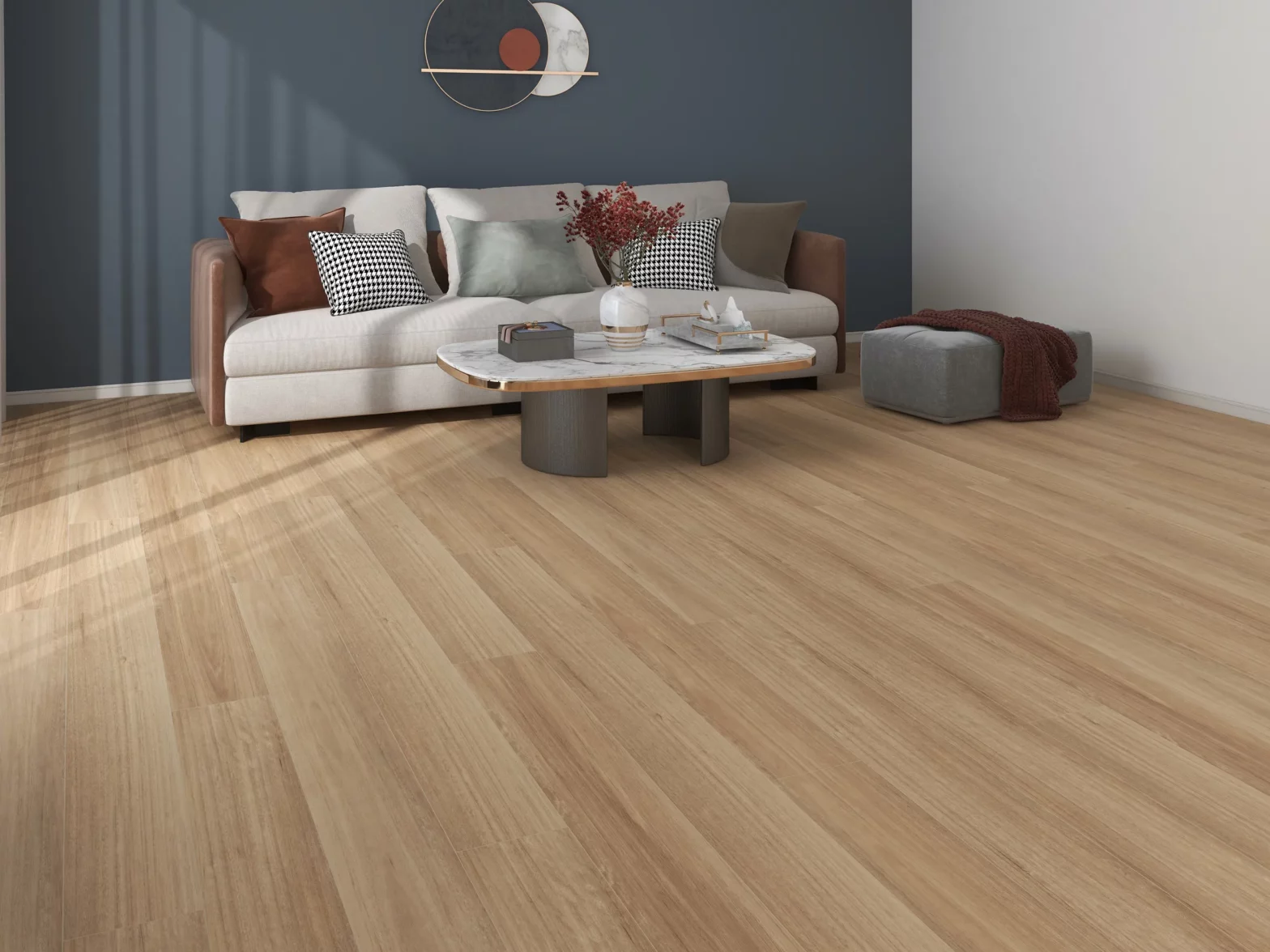
Laminate flooring in Australia comes in four common thicknesses: 6 mm, 8 mm, 10 mm and 12 mm. For most homes, 8 mm is the entry point, 10 mm is the sweet spot, and 12 mm is what you reach for in busy households or where you want a more solid feel underfoot. Thickness alone doesn’t tell the whole story though — the AC wear rating, the core density and the click system matter just as much. This guide walks through each thickness, where it suits, and what else to check before you buy.
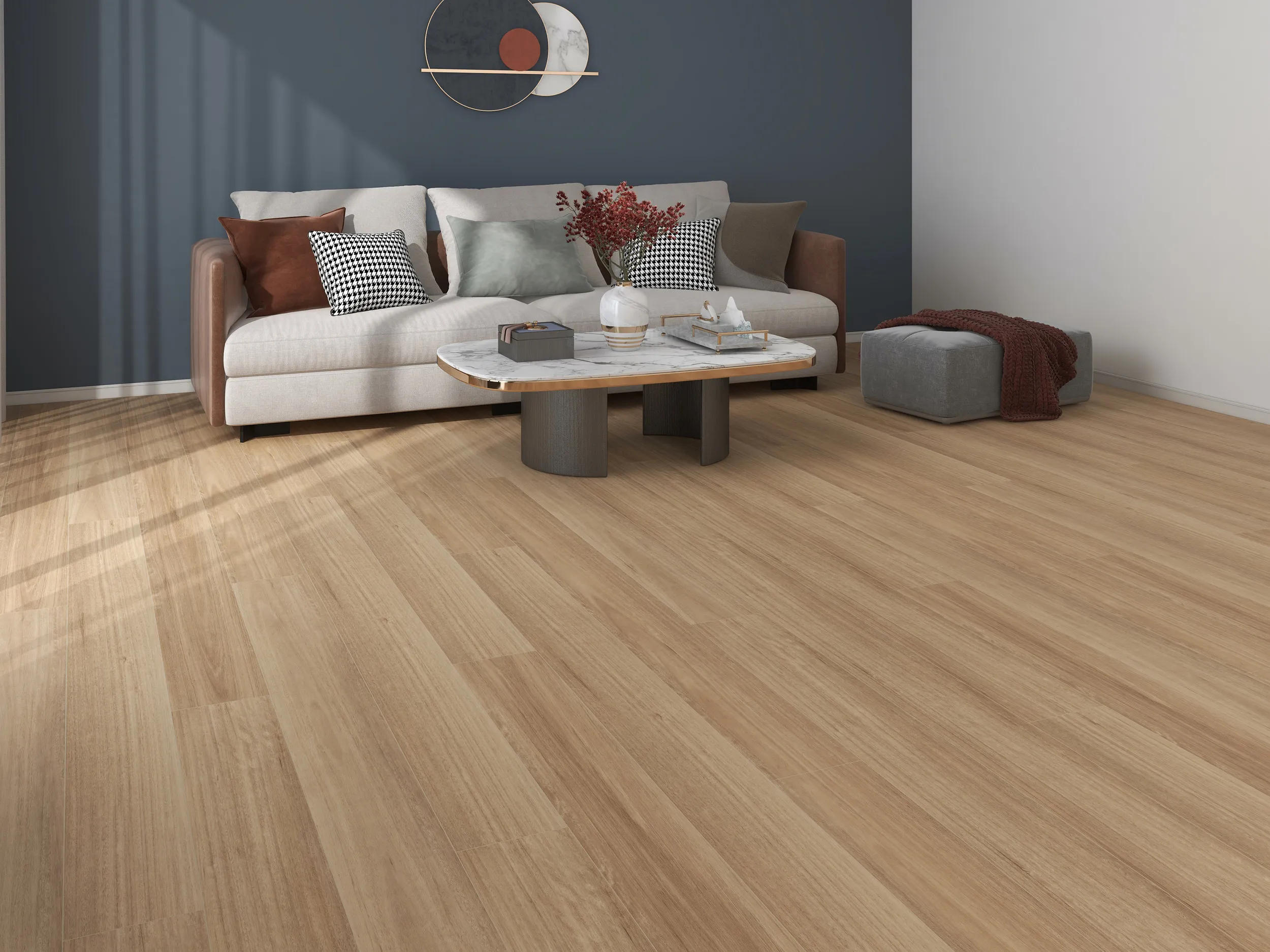
What the thickness actually measures
The thickness number on a laminate spec sheet is the total plank height, measured from the top of the wear layer to the bottom of the HDF core. It includes the decorative print layer, the protective overlay, the HDF core and any pre-attached underlay. A thicker plank generally means a denser core, a deeper click profile that locks together more reliably, and a more solid feel when you walk on it. It does not automatically mean a more scratch-resistant surface — that’s the job of the wear layer and the AC rating, which we’ll come to.
6 mm laminate
6 mm is the thinnest laminate on the market and the cheapest by a clear margin. It’s rare in Australian residential settings now and we’d generally steer customers away from it. The core is thin enough that any unevenness in the subfloor telegraphs through, the click joints are shallow and prone to popping apart with use, and most 6 mm products carry a low AC rating that won’t last in a busy household. It can have a place in a low-traffic rental fit-out or a small commercial office where the brief is purely budget — but for a family home, 8 mm is the realistic floor.
8 mm laminate
8 mm is the everyday residential entry point. It suits bedrooms, studies, formal lounges and other low-to-moderate traffic rooms where the floor isn’t taking a daily beating. At this thickness you start to get a more solid sound underfoot and a click system that holds together over years rather than months. It’s a sensible pick if you’re laying through the bedroom wing of a house and saving the budget for a thicker product in the high-traffic zones, or if you’re refreshing a unit on a tight budget.
10 mm laminate
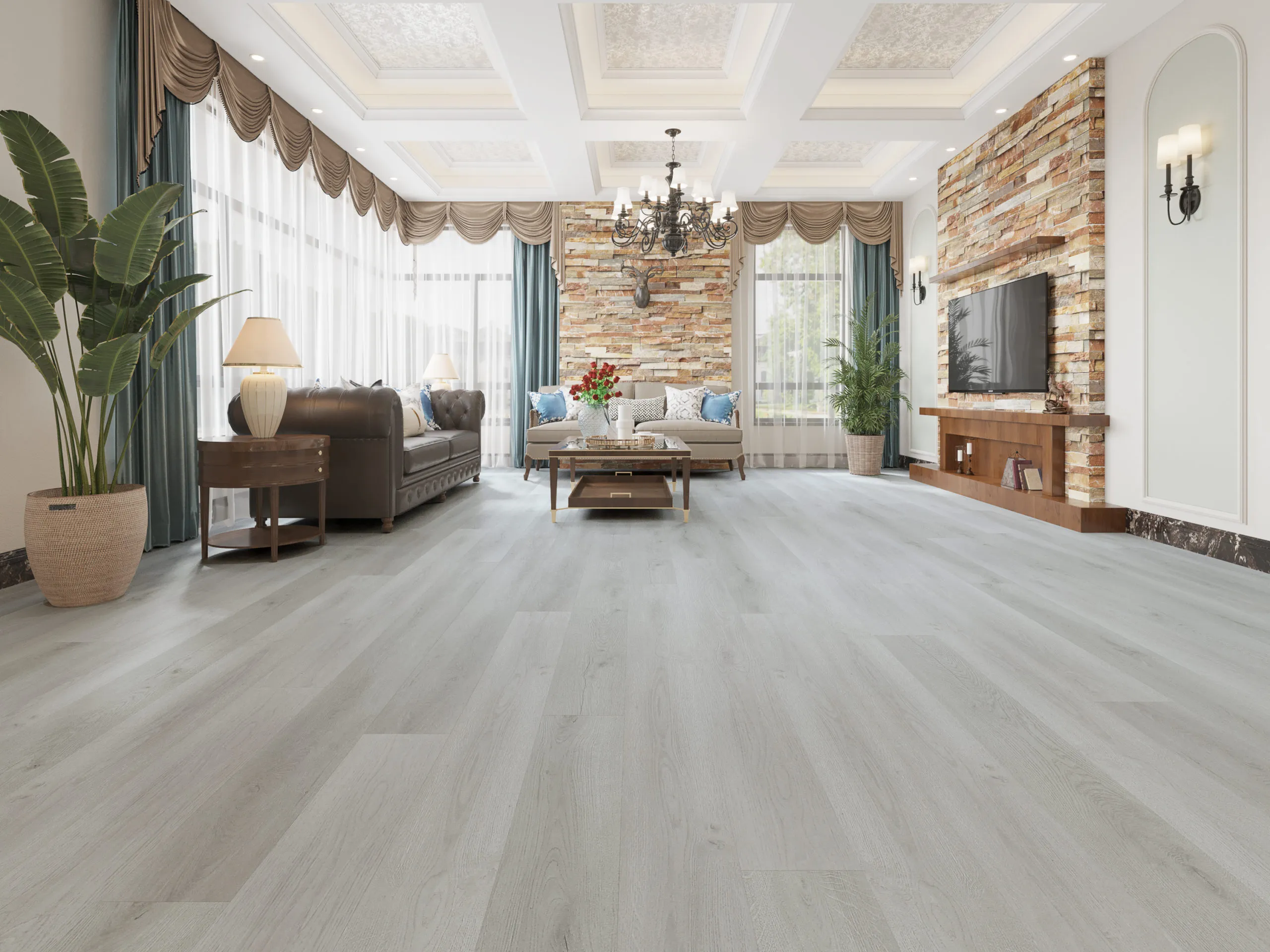
10 mm is the most popular thickness for a whole-of-house laminate install in Australia, and the one we’d recommend for most renovators. It handles open-plan living, dining and hallway traffic without complaint, the click joints are deep enough to forgive a slightly imperfect subfloor, and the core has enough mass to dampen the hollow tap sound that thinner laminates can have. Most 10 mm ranges come with a pre-attached acoustic underlay, which saves you a roll of foam underlay and tightens the install.
12 mm laminate
12 mm is the thickest laminate available and the one to pick when you want the most timber-like feel underfoot, the best impact-noise dampening, or you’re laying in a heavy-traffic household — busy family kitchens, rental properties between tenants, or a small office. The premium over 10 mm is real, and so is the difference in feel. If acoustic comfort matters because you’ve got a room below or you’re in a unit, 12 mm with a quality underlay is worth the spend.
What matters as much as thickness
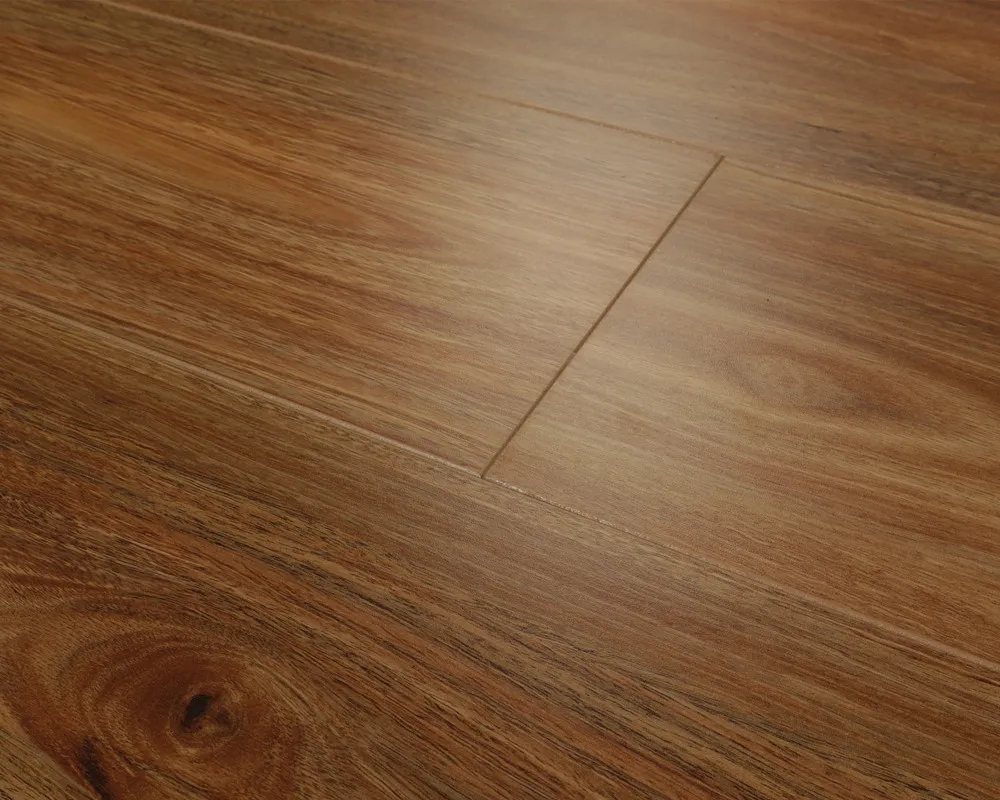
A 12 mm plank with a low-grade core and a weak wear layer will fail before an 8 mm plank with a dense HDF core and a high AC rating. Before you commit to a thickness, check these on the spec sheet:
- AC rating. AC3 is suitable for general residential use. AC4 handles heavy residential and light commercial. AC5 is full commercial. Match the rating to the room, not the budget.
- Core density. A high-density HDF core resists indentation from chair legs and dropped pans. Cheaper boards use lower-density fibreboard that dents under the same load.
- Click system. Most modern laminate uses a 5G or 2G mechanism. We’ve covered the difference in the 5G and 2G click systems guide — the short version is 5G is faster to install and forgiving on the joins.
- Pre-attached underlay. Saves time and gets a more consistent result. Without it, you need a separate foam underlay, which adds cost and another decision.
- Water resistance. Laminate is more water-resistant than it used to be, but the HDF core still doesn’t love standing water. For wet zones, hybrid or SPC is the safer call — see our waterproof flooring options.
Picking the right thickness for your room
For a quick rule of thumb: 8 mm in bedrooms and quiet rooms, 10 mm through general living areas, and 12 mm in kitchens, hallways and any space with constant foot traffic. If you’re choosing a single product to lay through the whole house, 10 mm is the safest pick. We’ve covered room-by-room recommendations in the best flooring for bedrooms guide.
If you’ve already decided you want a waterproof core rather than HDF, hybrid is the comparable category — see our pick of the best hybrid flooring brands in Australia for a side-by-side. Otherwise, bring a swatch home, lay it next to your skirtings and joinery, and check it under your own daylight before you commit. We carry our laminate ranges across our Sydney and Brisbane showrooms — happy to walk you through the spec sheets in person.
Ready to shop? Browse our full laminate flooring range online, or drop into our Sydney or Brisbane showroom to see the range in person.