
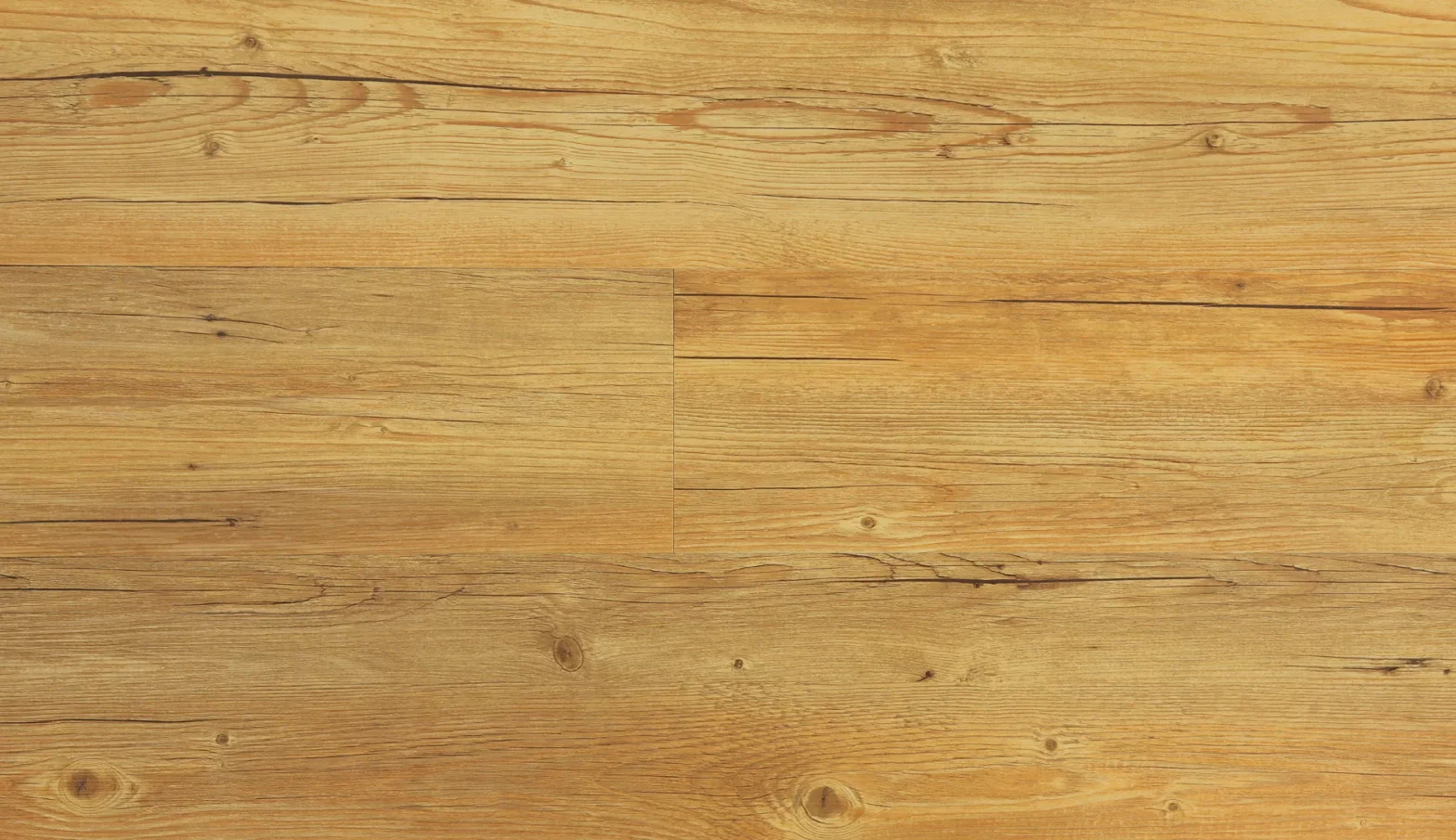
Short answer: yes, vinyl plank flooring will hold heavy furniture — fridges, pianos, full bookcases, leather lounges — provided you spread the load. The failure mode isn’t the plank breaking; it’s a permanent dent left by a narrow furniture foot pressing into the wear layer over months. Get the load-spreading right on day one and the floor stays flat for its full warranted life.
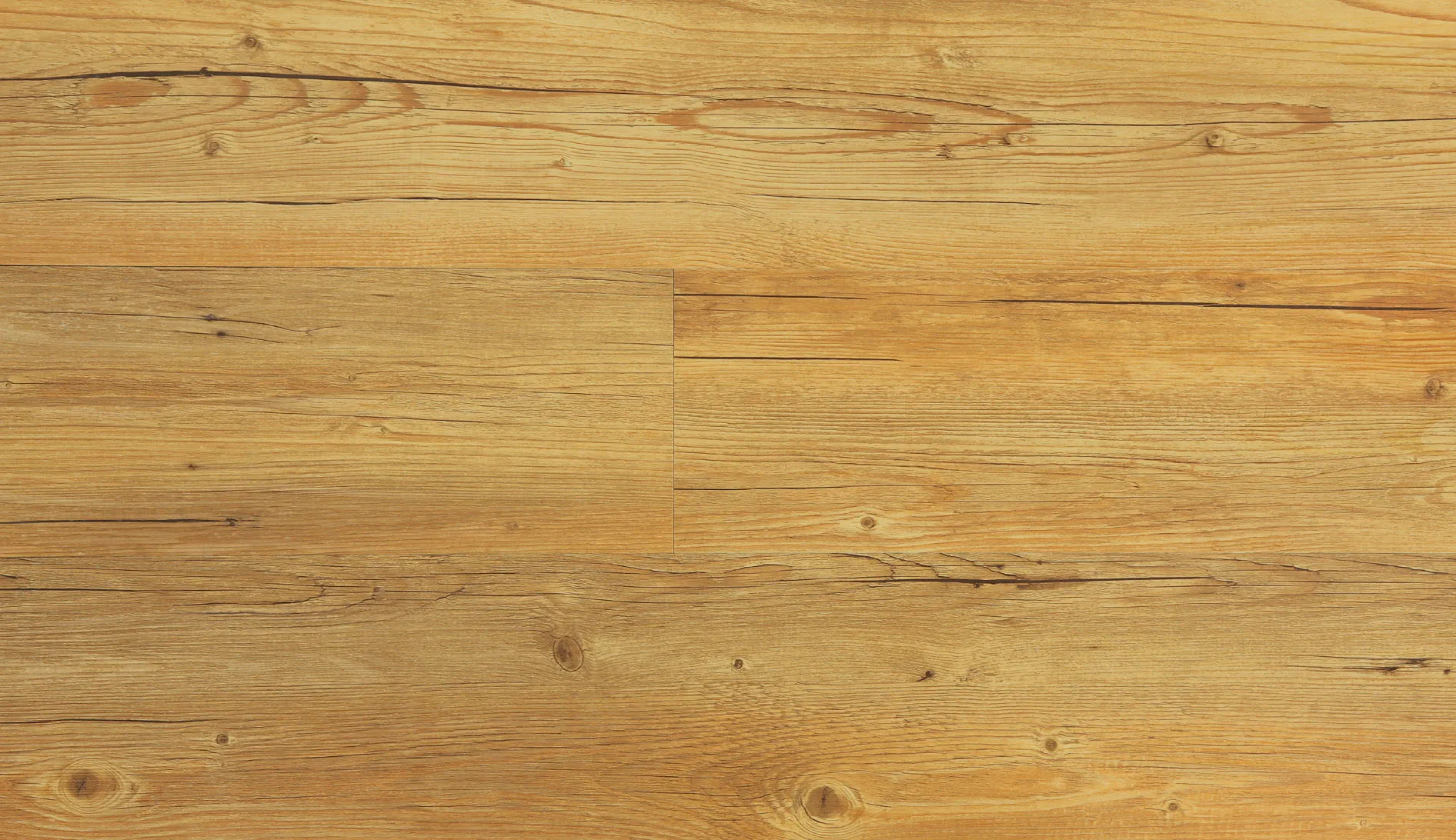
How vinyl plank actually fails under heavy loads
Vinyl plank is built in layers: a wear layer on top, a printed film, a core (SPC, WPC or flexible LVT), and a backing. The core is what carries the weight. SPC (stone plastic composite) cores are the densest and least likely to compress; flexible LVT and WPC cores have more give. Underneath that, the underlay also matters — a thick foam underlay under heavy furniture is a recipe for dents because the foam compresses long before the plank does.
The number to keep in mind is point load. A 200 kg upright piano on four narrow brass feet puts roughly 50 kg per foot onto a contact patch the size of a 20-cent coin. That’s enough pressure to indent any vinyl over time. Spread the same 50 kg across a 100 mm castor cup and it’s a non-issue. The plank doesn’t care about total weight nearly as much as it cares about pressure per square centimetre.
What to put under each type of furniture foot
- Wide flat feet (lounges, dining tables, bookcases): self-adhesive felt pads, replaced every 12 months. They reduce friction so the foot can slide a millimetre or two as the floor expands and contracts seasonally.
- Narrow metal feet (bed frames, mid-century chairs, pianos): rigid plastic or rubber furniture cups, ideally 60 mm or wider. Don’t use felt alone — narrow feet punch through felt into the vinyl underneath.
- Office chairs and anything on castors: use a hard polycarbonate chair mat, or swap the standard nylon castors for soft polyurethane wheels. Standard nylon castors will leave grey scuff trails on a light vinyl in months.
- Fridges, washing machines, freezers: a sheet of 6 mm plywood or hardboard cut to the appliance footprint, or four dedicated appliance glides under the corners. Don’t trust the appliance’s own moulded plastic feet on vinyl long-term.
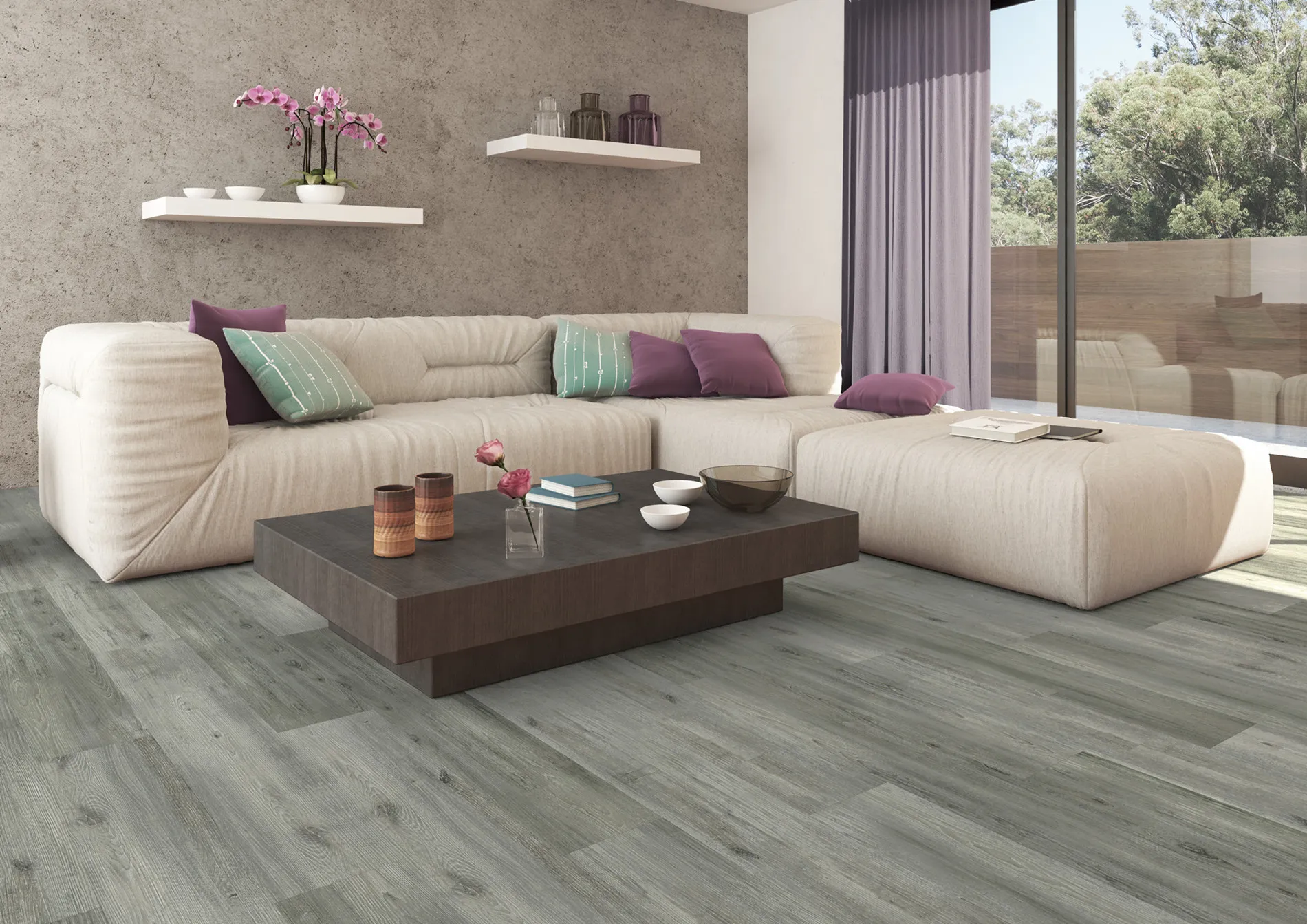
Move-day protocol for fridges, pianos and lounges
Two rules: never drag, and never pivot on a single foot.
- Lay a clean sheet of 6 mm hardboard, MDF offcut, or thick cardboard along the path the furniture will travel.
- For appliances, use a fridge dolly or appliance trolley to lift one end, slide a furniture slider (the hard plastic kind, not the felt kind) under each remaining foot, then walk the unit forward in small steps.
- For pianos, hire a piano trolley. Don’t tilt a piano on its own castors across vinyl — the pin-point pressure will leave a trail of indents the full length of the move.
- For sofas and beds, get a second person and lift. Sliding any furniture with metal feet leaves grey scuff streaks even on a quality wear layer.
When the vinyl spec actually matters
Two specs on the data sheet are worth looking at if your floor will see heavy gym equipment, commercial castor traffic, or a full kitchen of appliances:
- Wear layer thickness. 0.3 mm is residential-light. 0.5 mm is residential-heavy. 0.55 mm and up is rated for light commercial. Higher numbers resist scratching from castors and grit better.
- Residual indentation rating (EN 433). The lower the millimetre figure, the better the floor recovers after a static load. Anything around 0.10 mm or below is suitable for heavy residential furniture.
SPC hybrid is the format we’d recommend if you’ve got serious furniture loads or a busy household. The rigid stone-plastic core compresses far less than a flexible LVT under a point load. If you’re picking a floor for a kitchen with a heavy island and two big appliances, the best flooring for kitchens guide goes into the specific vinyl and hybrid picks. For wet-area decisions, the waterproof flooring guide is the right next read.
A note on underlay
If you’re laying click-lock vinyl, the underlay choice matters more for heavy furniture than most people realise. A soft 3 mm foam will compress under a fridge corner and leave the plank flexing every time the compressor cycles. Use a firm IXPE underlay (1.5 mm is plenty) or, on a flat concrete slab, no underlay at all on SPC products with pre-attached backing. Our notes on whether you need underlay for vinyl flooring cover the call by product type.
The verdict
Heavy furniture and vinyl plank get along fine. Spread the load with wide pads or castor cups, never drag, and choose an SPC hybrid with a 0.5 mm or thicker wear layer if you’ve got a piano, gym kit, or a household full of pets and kids. If pets are part of the picture, the is vinyl flooring pee-proof guide covers the other half of the durability question. Drop into our Sydney or Brisbane showroom and we’ll show you the wear-layer figures on the ranges we sell.
Ready to shop? Browse our full vinyl plank flooring range online, or drop into our Sydney or Brisbane showroom to see the range in person.