
Australian flooring guide · Reviewed September 2026
Bamboo Flooring Prices in Australia (2026 Guide)
Bamboo flooring in Australia in 2026 typically lands between $50 and $160 per square metre supplied, with strand-woven the most expensive and engineered bamboo the cheapest.
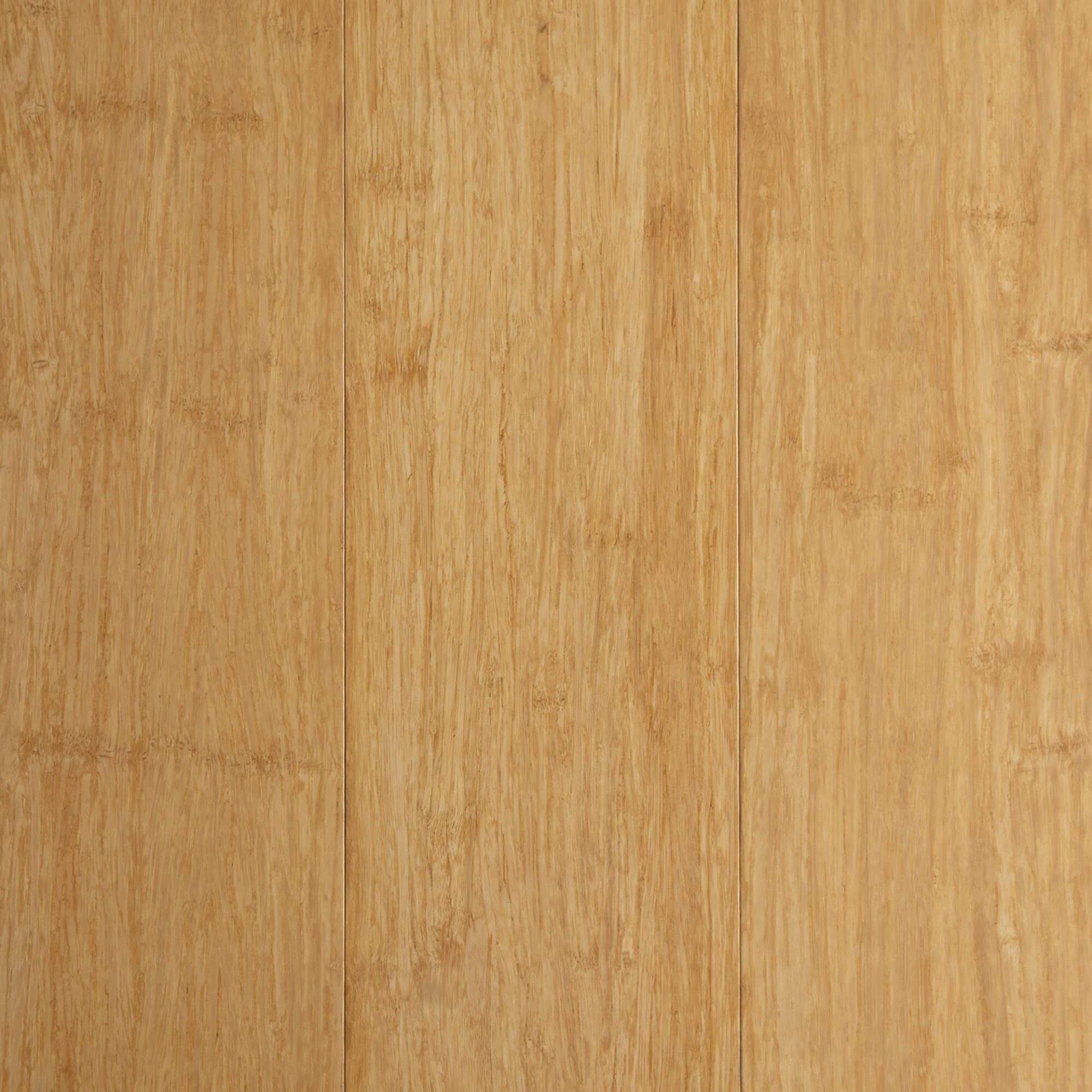
Bamboo flooring in Australia in 2026 typically lands between $50 and $160 per square metre supplied, with strand-woven the most expensive and engineered bamboo the cheapest. Add another $35-$60 per m² for professional installation. The exact number depends on the construction type, the wear-layer treatment, the click system and how flat your subfloor is. This guide walks through current price bands by bamboo type, what’s driving them, and where bamboo earns its place against hybrid or engineered timber.
2026 bamboo flooring prices per m² in Australia
These are supplied-only ranges. Installation, underlay and trims sit on top.
- Engineered bamboo: $50-$85 per m². A bamboo veneer over a multi-ply or HDF core. The cheapest entry point and the easiest to install over concrete with a click system.
- Solid bamboo (horizontal or vertical grain): $70-$110 per m². A homogeneous bamboo plank, glued or nailed down. Heavier and harder than engineered, more sensitive to humidity swings.
- Strand-woven bamboo: $90-$160 per m². Bamboo strands compressed under heat and resin into the densest format on the market. Hardness ratings in the Janka 13-16 kN range, well above most Australian hardwoods. This is what most renovators end up choosing.
Installation runs $35-$45 per m² for a click-system floating install on a flat subfloor, and $45-$60 per m² for direct-stick or nailed-down. If the subfloor needs self-levelling first, add $25-$40 per m² for that prep.
What pushes the price up
- Plank thickness. A 14 mm strand-woven plank costs more than a 12 mm one and feels noticeably more solid underfoot. Most quality bamboo sits between 12 mm and 14 mm.
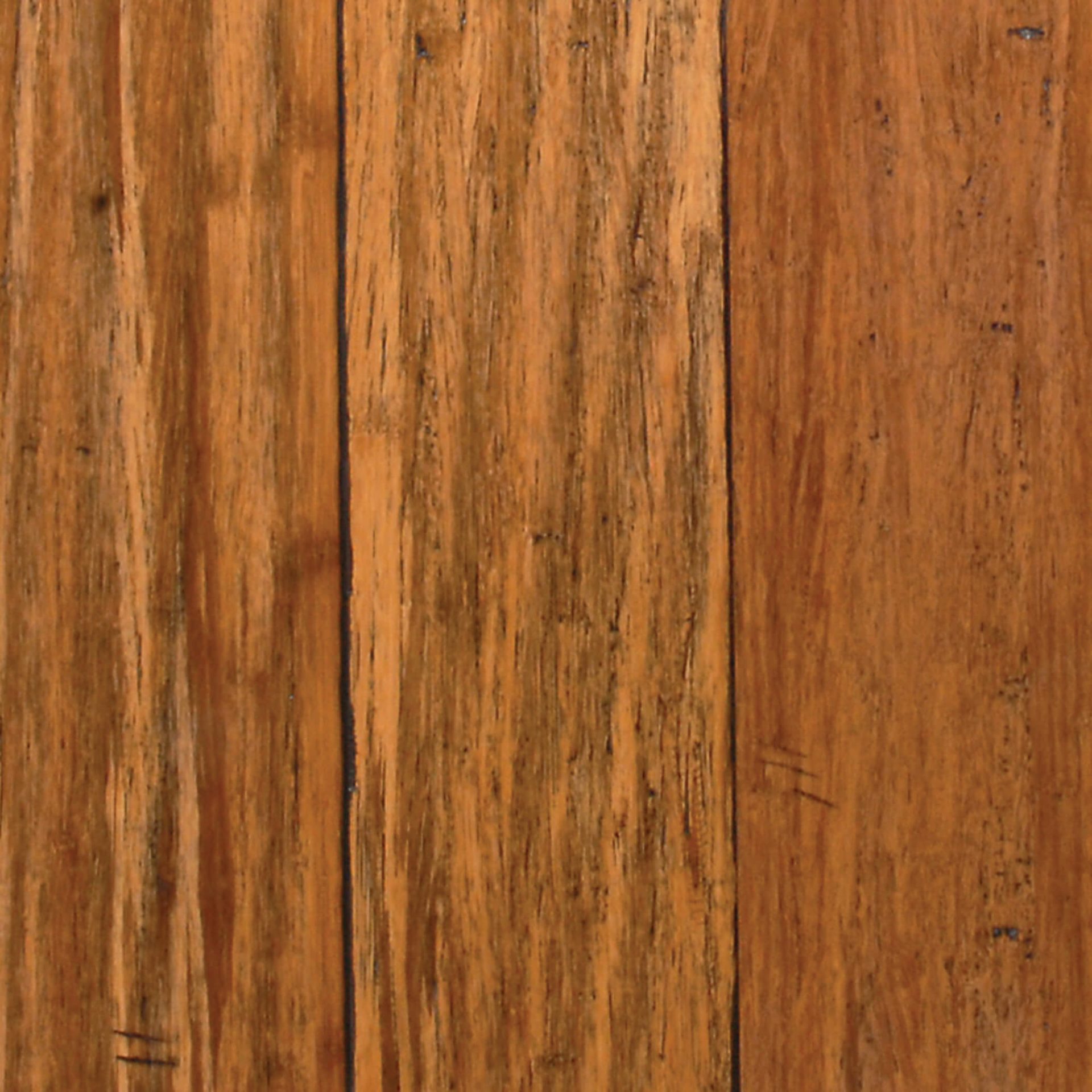
- Surface treatment. Hand-scraped, wire-brushed and smoked finishes carry a premium over a flat factory matte. They also hide light scratches better.
- Click system. Modern 5G-style drop-lock joins are faster to lay and tighter long-term than older 2G angle-and-tap systems. Brands using premium click hardware sit at the top of each band.
- Width and length. Wider planks (190 mm-plus) cost more per m² than the older 130-140 mm formats and need a flatter subfloor to lay well.
- Acclimatisation and warranty. Premium ranges come with a 25-year residential warranty and require 7-14 days on-site acclimatisation before install. Cheaper imports often skip both, which shows up as gapping in the second summer.
How bamboo compares to engineered timber and hybrid
Bamboo sits between engineered timber and hybrid on price and on performance. Strand-woven bamboo is harder than oak and most Australian hardwoods, which is why it holds up well in high-traffic homes and rentals. It’s also a rapidly renewable crop, which engineered oak isn’t. The trade-off is that bamboo has its own grain pattern — it doesn’t mimic timber, it looks like bamboo.
If the look of natural oak matters more than hardness, our engineered timber flooring prices guide covers the alternative. If you want maximum waterproofing and the lowest install cost, the hybrid flooring cost guide is the better starting point.
Where bamboo suits, and where it doesn’t
Bamboo is a good fit for living rooms, hallways, bedrooms, studies and most kitchens. Strand-woven in particular handles the dings and chair-leg dents of family use better than oak. We’ve covered room-by-room picks in the best flooring for kitchens guide.
Bamboo is not the right call for bathrooms, laundries or any space where standing water is a real risk. It’s a natural plant fibre — even strand-woven, it doesn’t tolerate flooding the way SPC or hybrid does. For those rooms, look at waterproof flooring options instead.
What to ask before you buy
- Is it strand-woven, solid or engineered? Strand-woven is the toughest and worth the extra in most homes.
- What’s the Janka hardness rating? Anything below 10 kN won’t hold up to dogs and dropped pans.
- What’s the residential warranty, and what voids it (heated subfloors, prolonged moisture, ungapped expansion)?
- Is it acclimatised on-site for at least seven days before install? Skipping this is the single biggest cause of summer gapping.
- What’s the click system? A modern drop-lock join is worth the few dollars more per m².
Bottom line
For most Australian homes in 2026, a strand-woven bamboo floor between $90 and $130 per m² supplied, plus around $40 per m² installed, is the sweet spot. You’re getting a hard-wearing, sustainable floor that handles family traffic better than mid-tier engineered oak at a similar price point. Bring a sample home, look at it under your own daylight, and check the colour against your skirtings before you commit. We carry the Verdura X strand-woven range across our Sydney and Brisbane showrooms — happy to walk you through samples in person.
What to verify before you buy
Match the exact range
Check the current data sheet, warranty, care guide and room-suitability statement for the product code you will receive.
Inspect the substrate
Measure moisture and flatness, confirm access and finished height, and price any preparation before installation begins.
Compare complete quotes
Include removal, preparation, waste, trims, stairs, doors, furniture and warranty responsibilities—not only the material rate.
Any prices retained from the original article are indicative examples, not a current project quote. Words such as “best” describe a decision for a particular room and budget, not one universally superior product.
Sources and verification
- The Flooring Guys: Bamboo flooring articles — related guides and current product questions.
- Flooring installation cost estimator — indicative project inputs and installation scope.
Choose the floor around the room and the complete installation.
Bring room dimensions, subfloor details and any apartment or access requirements. We can help shortlist products and prepare an itemised quote.