
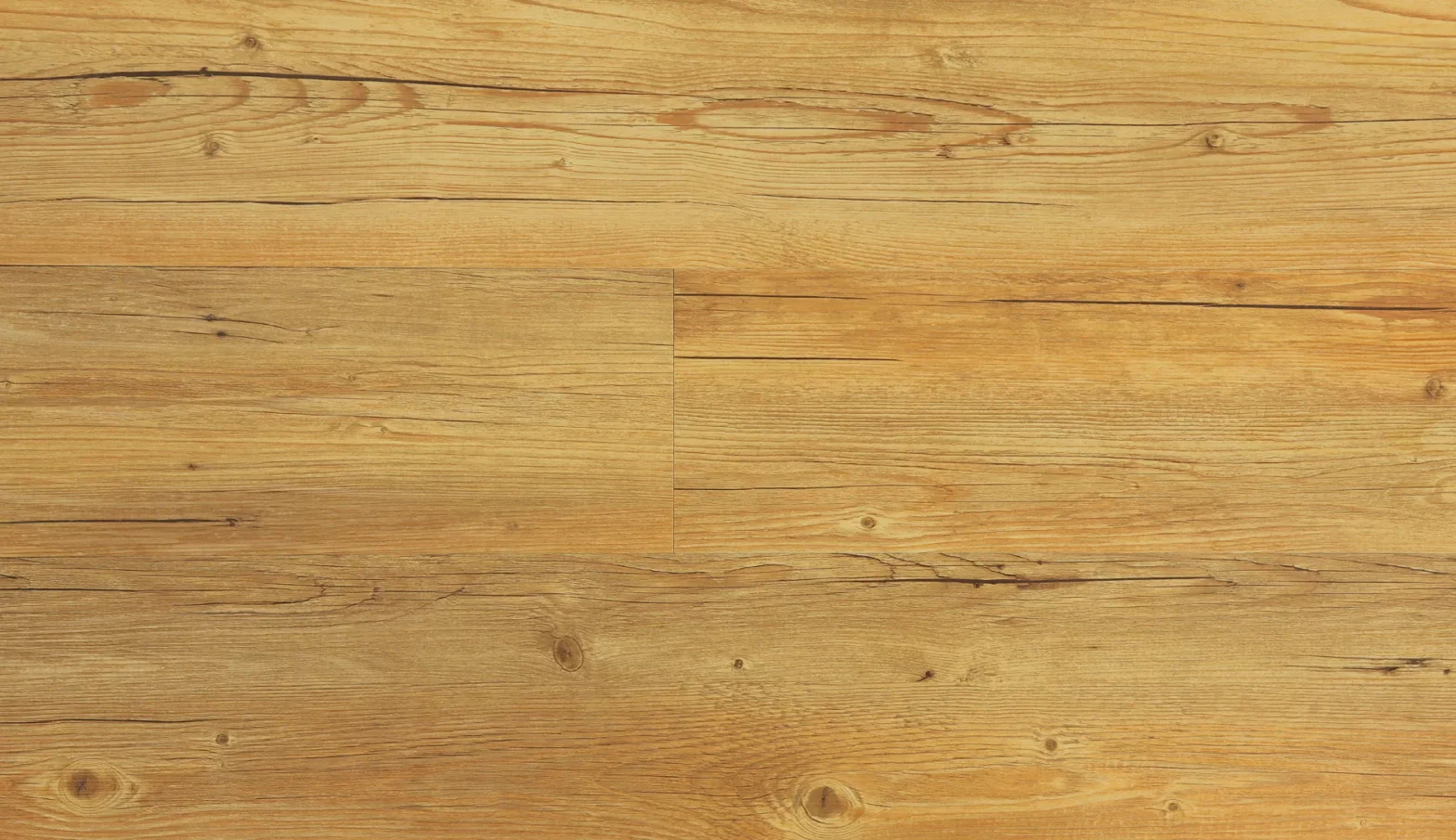
Vinyl flooring in Australia in 2026 typically costs between $25 and $90 per m² supplied, with another $25 to $55 per m² for professional installation. The wide range reflects three things: the type of vinyl (sheet, loose-lay, glue-down luxury vinyl plank, or hybrid SPC), the wear-layer thickness, and how much subfloor prep your room actually needs. Here’s what each band buys you and where the hidden costs sit.
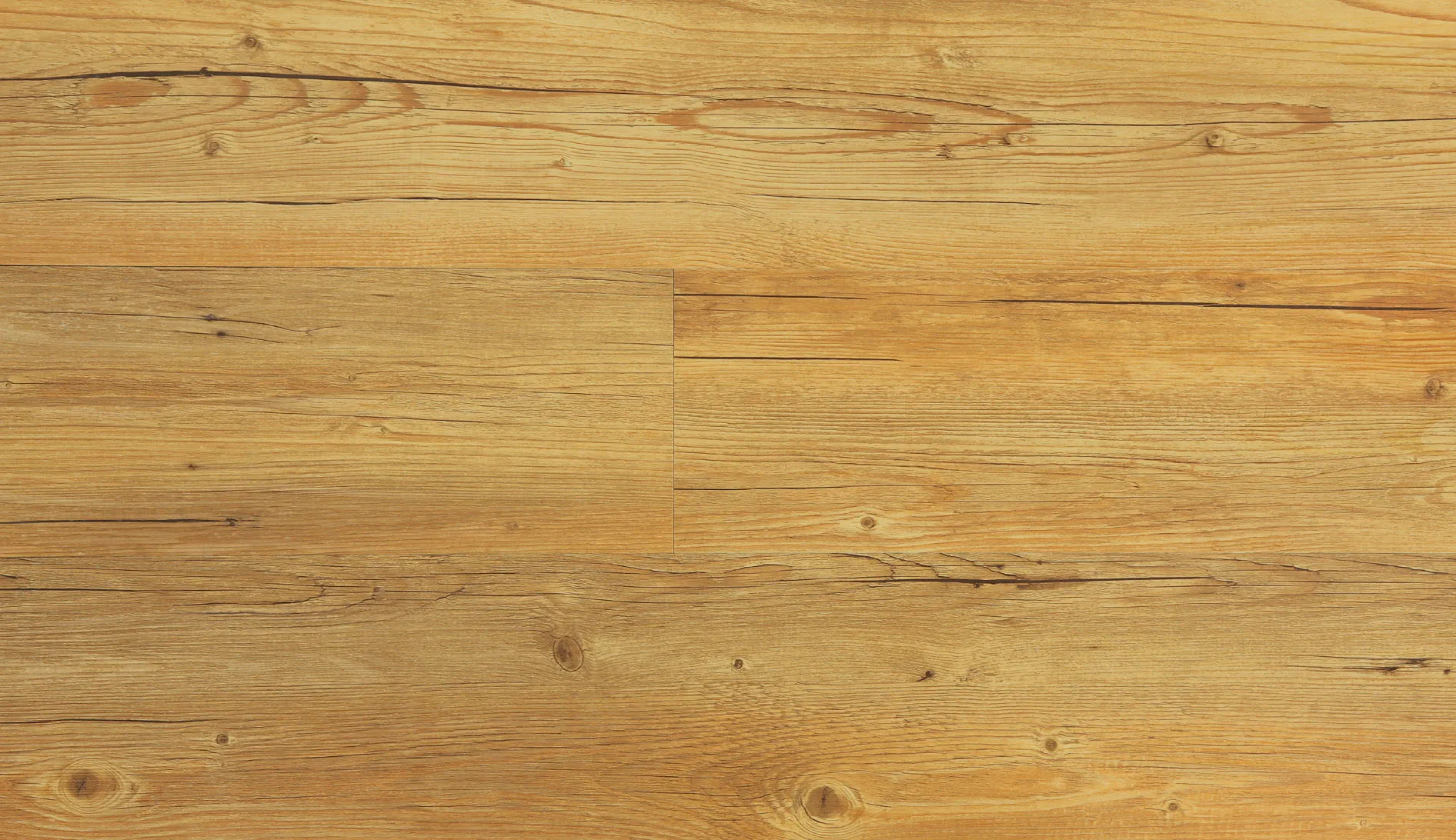
2026 vinyl flooring price bands per m²
These are supply-only ranges for residential-grade vinyl in metro Australia. Installation is quoted separately further down.
- Sheet vinyl (rolls): $25-$45 per m². The cheapest entry point, common in rentals and laundries. Glued or loose-laid in one continuous piece.
- Loose-lay vinyl planks: $35-$60 per m². Heavier planks held in place by their own weight and friction backing. Easy to lift and replace.
- Glue-down luxury vinyl plank (LVP): $40-$75 per m². 2-3 mm thick, glued directly to the slab. Lower profile, very stable underfoot.
- Click-lock LVP: $45-$85 per m². Floats over an underlay using a 5G or 2G click system. Faster install, easier to lift later.
- Hybrid / SPC vinyl: $55-$110 per m². Rigid stone-polymer core with a vinyl top layer — the toughest of the lot, fully waterproof, and the closest a vinyl floor gets to feeling like a floating timber floor.
The premium end (over $90 per m²) is where you find 0.55 mm wear layers, registered-emboss finishes that genuinely feel like timber, 25-year residential warranties and 10-year light-commercial cover. The bottom end is fine for low-traffic spare rooms and rentals — it just won’t stay looking new in a hallway with a kid and a dog.
What drives vinyl flooring cost per m²
Wear-layer thickness
The wear layer is the clear top film that protects the print. Measured in mils or mm: 0.3 mm is budget, 0.5 mm is the residential sweet spot, and 0.7 mm or 1.0 mm is light commercial. Doubling the wear layer roughly adds $10-$20 per m² but more than doubles the practical lifespan in a busy household.
Plank thickness and core
Vinyl plank thickness ranges from 2 mm (glue-down LVP) up to 8 mm (hybrid/SPC). Thicker doesn’t always mean better — a 5 mm SPC plank with a stone core is harder underfoot than a 6 mm flexible LVP, but feels more solid and won’t telegraph minor subfloor imperfections. If you’re laying over a slab with hairline cracks or small undulations, the rigid core forgives more.
Click system
5G drop-down clicks install faster and seal tighter than older 2G angle-tap systems. The hardware adds a few dollars per m² but saves real labour time. We’ve broken down the difference in our 5G and 2G click systems guide.
Print and emboss
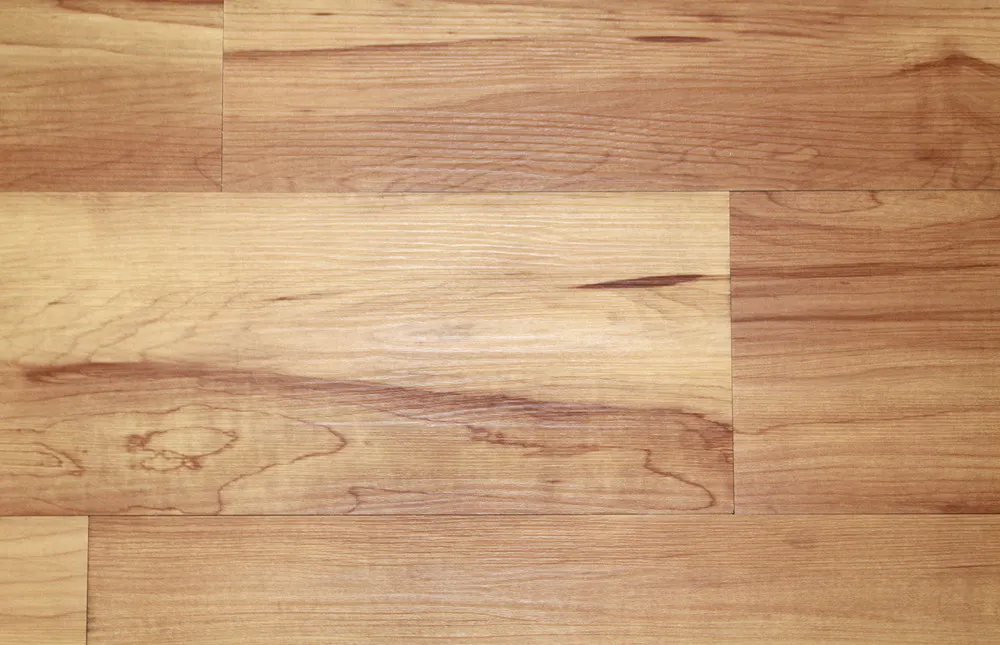
Cheap vinyl uses a small library of repeating prints, so the same knot pattern shows up every fifth plank. Mid-range vinyl uses 12-20 unique prints per box. Premium vinyl uses registered emboss — the texture you feel under your hand lines up with the grain you see — and that’s where you pay for it.
Installation cost per m²
Professional installation in 2026 sits roughly here for residential work in Sydney and Brisbane:
- Click-lock floating install: $25-$40 per m².
- Glue-down LVP: $35-$55 per m². More labour, more skill, more adhesive.
- Sheet vinyl: $20-$40 per m² depending on cuts and seams.
- Pattern installs (herringbone, chevron): add 25-50% on top of the base rate.
Regional rates run 10-20% lower. CBD and inner-suburb postcodes run 10-20% higher. Most installers charge a minimum call-out (usually 3-4 hours’ work) so a single small room is pricier per m² than a whole-house job.
Hidden costs people forget
- Subfloor prep. Self-levelling compound runs $25-$40 per m² and is non-negotiable on most slabs older than ten years. A floating floor over a wavy slab will eventually click apart.
- Underlay. Most click-lock vinyl needs an acoustic underlay, around $5-$12 per m². Some hybrid ranges have it pre-attached. Full breakdown in the underlay for vinyl flooring guide.
- Demolition. Pulling up old carpet and underlay is around $8-$15 per m². Old tile or glued vinyl removal is $30-$60 per m².
- Trims and skirtings. Scotia, quad, and matching transition strips usually add $150-$400 to a typical room.
- Delivery and stair nosings. Often line items, not included in the per-m² supply price.
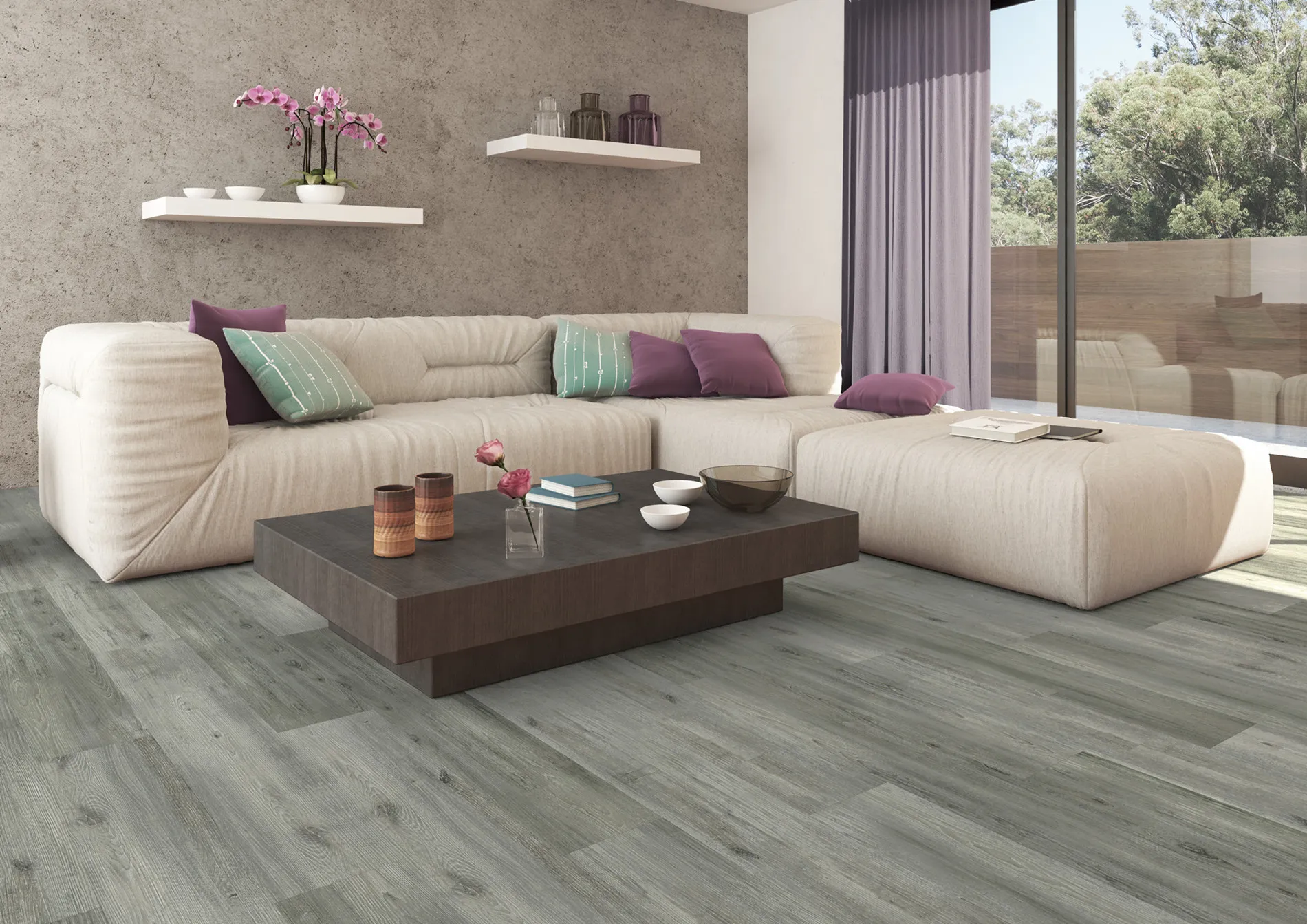
A worked example: 60 m² open-plan living and kitchen
Mid-range click-lock LVP at $60 per m² supply, $32 per m² install, $8 per m² underlay, plus $1,200 of self-levelling on a 2010s slab and $400 in trims. Total: roughly $7,400 supplied and laid. The same room in budget sheet vinyl with no levelling: around $3,200. The same room in a premium SPC hybrid with a 0.55 mm wear layer: around $9,800. That’s the realistic spread, and it’s why the per-m² number on its own doesn’t tell the whole story.
Where vinyl is the right call
Vinyl is the right pick for kitchens, laundries, and any room that needs to handle moisture and heavy traffic without the cost of tile. Modern luxury vinyl plank looks close enough to oak that most visitors won’t pick it. If your home is on a concrete slab, the install is straightforward — see our guide on how to lay vinyl on a concrete floor. If you’re choosing vinyl specifically for water resistance in a flood-prone area or wet zone, our waterproof flooring options guide covers what fully waterproof actually means in spec terms.
The short answer
Budget $50-$80 per m² supplied for mid-range LVP, $70-$110 per m² for hybrid SPC, plus $25-$40 per m² to install. Add $5-$12 per m² for underlay and a separate line for any subfloor prep. Anything cheaper is sheet vinyl or short-warranty entry-grade product; anything well above that range is either light-commercial spec or a premium plank size. Bring a sample home, look at it in your own daylight, and walk on it barefoot before you commit — it tells you more than any datasheet.
Comparing options? Browse the full vinyl plank flooring range at The Flooring Guys — loose lay, glue-down and click, with samples available.