
There is no rule that says floors must be darker than walls, but there is a reason most rooms end up that way: a floor slightly darker than the walls grounds the room, makes the walls look taller and hides marks. The exceptions are worth knowing, because they are where the most interesting rooms come from.
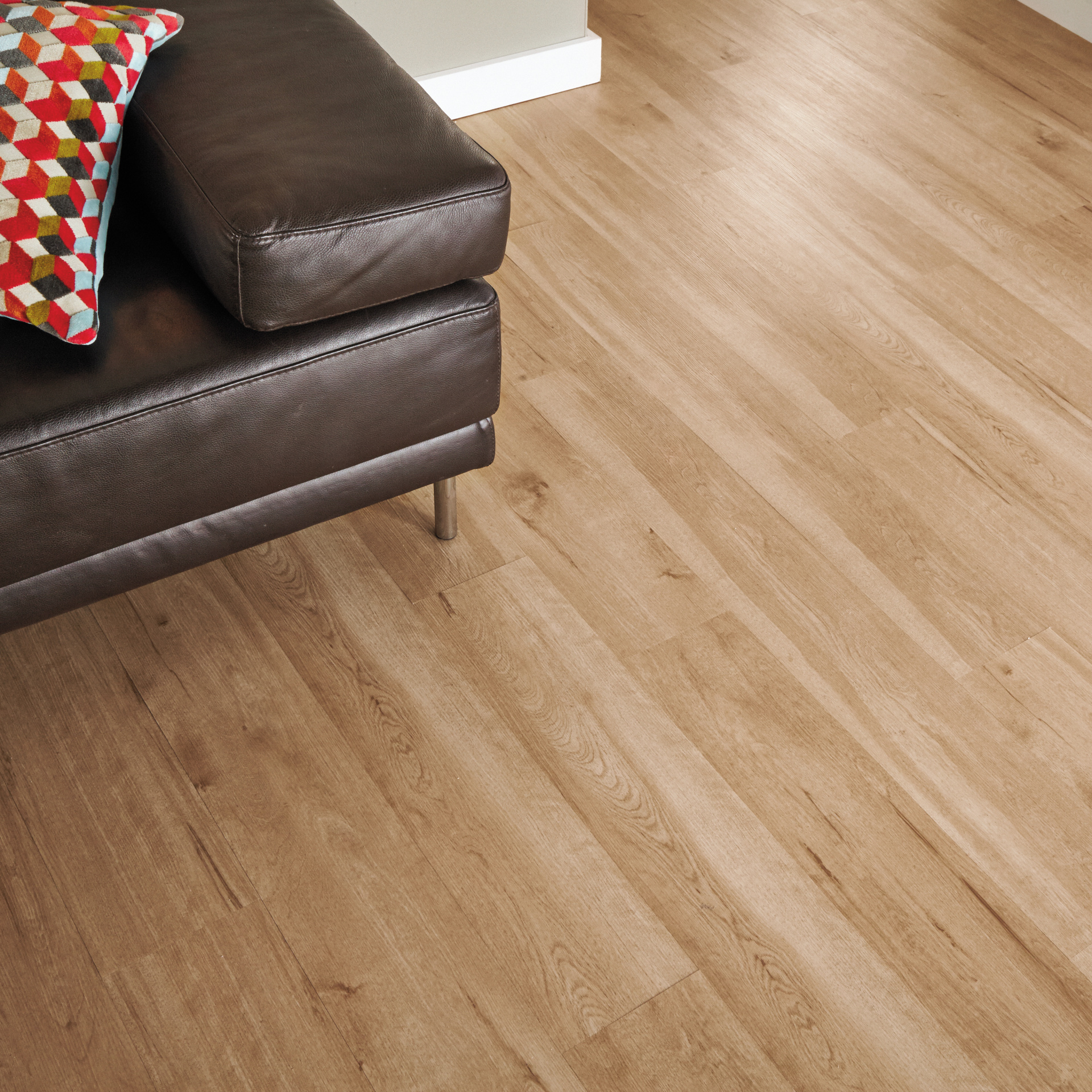
The default: floor a shade or two darker
White or off-white walls with a natural oak, blackbutt or spotted gum floor is the combination in most Australian homes, and it works because the eye reads the darker plane as the base. It suits rooms of any size, hides dust and footprints better than a very pale floor, and lets furniture and rugs provide the contrast.
When to go lighter than the walls
- Dark or coloured walls. A charcoal, navy or sage feature wall needs a lighter floor or the room closes in. Washed oak, greige or pale limed boards keep it airy.
- Small or south-facing rooms. A light floor reflects the little light there is. Our note on which floor colour makes a room look bigger covers this.
- Coastal and Scandinavian schemes. Pale floors are the whole point of the style.
When to go much darker
- Large, bright rooms. Smoked oak or walnut tones give a big open-plan space some weight and formality.
- Period homes. Dark stained boards suit Federation and Victorian interiors with picture rails and deep skirting.
- Where you want the floor to be the feature. A dark floor against white walls is the highest-contrast, most dramatic choice, and it shows dust and pet hair the most.
Matching rather than contrasting
Floors and walls in the same tone, warm white walls with a pale sand floor for instance, make a room feel seamless and larger, at the cost of definition. It works best in small apartments and with plenty of texture elsewhere: a rug, timber joinery, linen curtains.
Three things that matter more than the rule
- Undertone. Warm walls (cream, warm white, beige) with warm floors (honey oak, blackbutt); cool walls (crisp white, grey) with cool or greige floors. Mixing warm and cool is what makes a room feel “off”.
- Light. North-facing rooms take a dark floor; south-facing rooms want a light one.
- How much floor you see. A living room with a big rug and lots of furniture shows less floor than a hallway; the hallway floor can be bolder.
Take a wall paint chip and floor samples into the room together and look at them on the floor, in daylight and at night. Our guide to matching wall colour with a wood floor goes through the combinations, and samples from the hybrid and engineered timber ranges are free to order.
Frequently asked questions
The walls, almost always. Skirting painted the wall colour makes the floor read as one clean plane; skirting in the floor colour visually shrinks the room.
They show dark marks and pet hair less than a dark floor, but show scuffs and stains more. Mid tones hide the most.
Yes, if the room has good light and the walls and ceiling are pale. Keep furniture light in colour and off the floor on legs.