
Short answer: modern vinyl plank flooring sold in Australia is not toxic in any meaningful sense when you pick a product certified to recognised indoor-air-quality standards. The phthalate-laden, heavily off-gassing vinyl that gave the category a bad name in the 2000s is largely gone from reputable Australian retailers. What you do need to check is the certification, the wear-layer chemistry, and how the floor is installed and maintained.
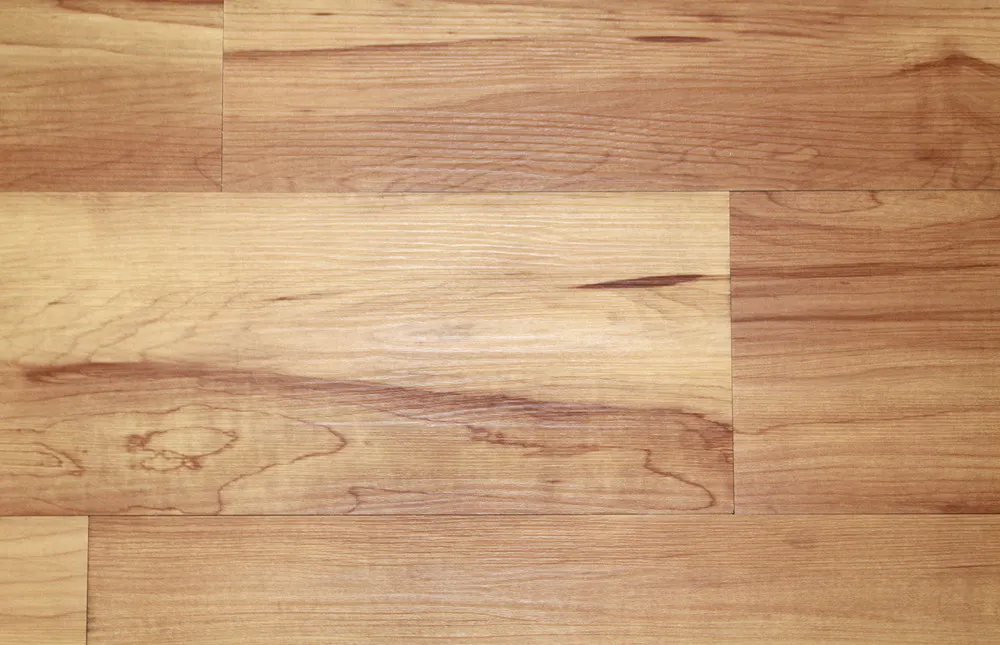
What’s actually in a vinyl plank
A vinyl plank is built in layers. The base is PVC (polyvinyl chloride) with stabilisers and plasticisers that make the material flexible enough to handle. Above that sits a printed design film that gives the timber, stone or concrete look. On top is the wear layer — a clear urethane or aluminium-oxide coat between roughly 0.3 mm and 0.7 mm thick that takes the daily abuse and seals the print layer underneath. SPC hybrid adds a rigid stone-plastic-composite core; LVP keeps a more flexible PVC core.
The two ingredients that have raised health concerns historically are phthalate plasticisers (used to make the PVC pliable) and residual VOCs released as the product cures. Both have been addressed in modern manufacturing. The major Australian-stocked ranges have moved to non-phthalate plasticisers, and the wear-layer chemistry has shifted to UV-cured urethanes that finish off-gassing in the factory rather than in your living room.
The certifications that actually mean something
If you only check one thing on a vinyl spec sheet from an indoor-air-quality angle, check for FloorScore. It’s the testing standard most reputable manufacturers use to demonstrate compliance with low-VOC emission limits. Australian Green Building Council recognition and European AgBB certification are the other two worth looking for.
- FloorScore: tests total VOC emissions over a 14-day chamber period against the California 01350 standard. Most click-lock vinyl sold in Australia carries this.
- Green Building Council of Australia: a Green Star credit recognises low-emission floors, useful if your build is targeting a rating.
- AgBB / Blue Angel (Germany): stricter European emissions testing. Some premium European-made ranges carry it.
- Phthalate-free statement: not a formal certification on its own but check the product data sheet — reputable brands declare it directly.
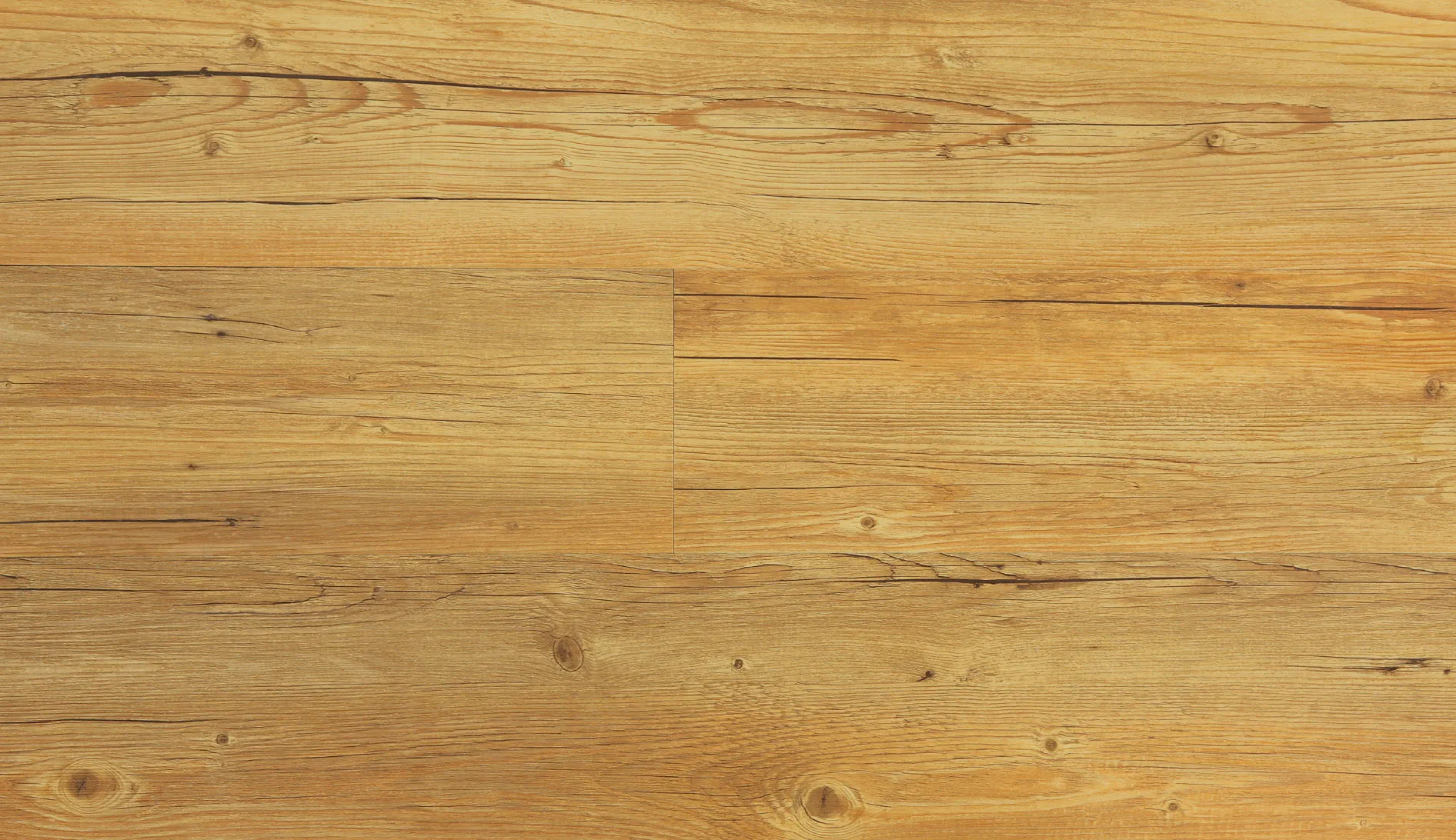
Off-gassing: how long, how much
Any new flooring product gives off a faint smell for the first few days after install — that’s true of timber finishes, carpet adhesives, and vinyl. With a FloorScore-certified vinyl plank, the bulk of the off-gassing happens in the first 72 hours, and emission levels drop below detectable thresholds within two to four weeks. We recommend ventilating the room well during install and for the first few days after: open windows, run a fan, and avoid sealing the room with the air-con on full recirculation.
If you’re sensitive to smells or you have asthma in the household, ask the showroom for a full plank sample to keep at home for a week before you commit. That’s the practical real-world test — if the sample bothers you in your own air, the floor will too.
Where toxicity concerns are still legitimate
- Cheap unbranded imports. Vinyl bought through marketplace sites with no listed certifications, no brand name, and no Australian distributor is the highest-risk category. There’s no testing trail and the plasticiser package is unknown.
- Burning vinyl. PVC produces hydrochloric acid and dioxins when burned. Vinyl shouldn’t be installed near uninsulated flues or fireplaces, and offcuts should go to landfill, not a backyard fire pit.
- Water damage left to fester. If vinyl gets wet underneath and stays wet, the substrate (not the vinyl itself) can grow mould. That’s a building-fabric issue, not a vinyl issue, but it’s the most common cause of “my vinyl floor is making me sick” complaints we see.
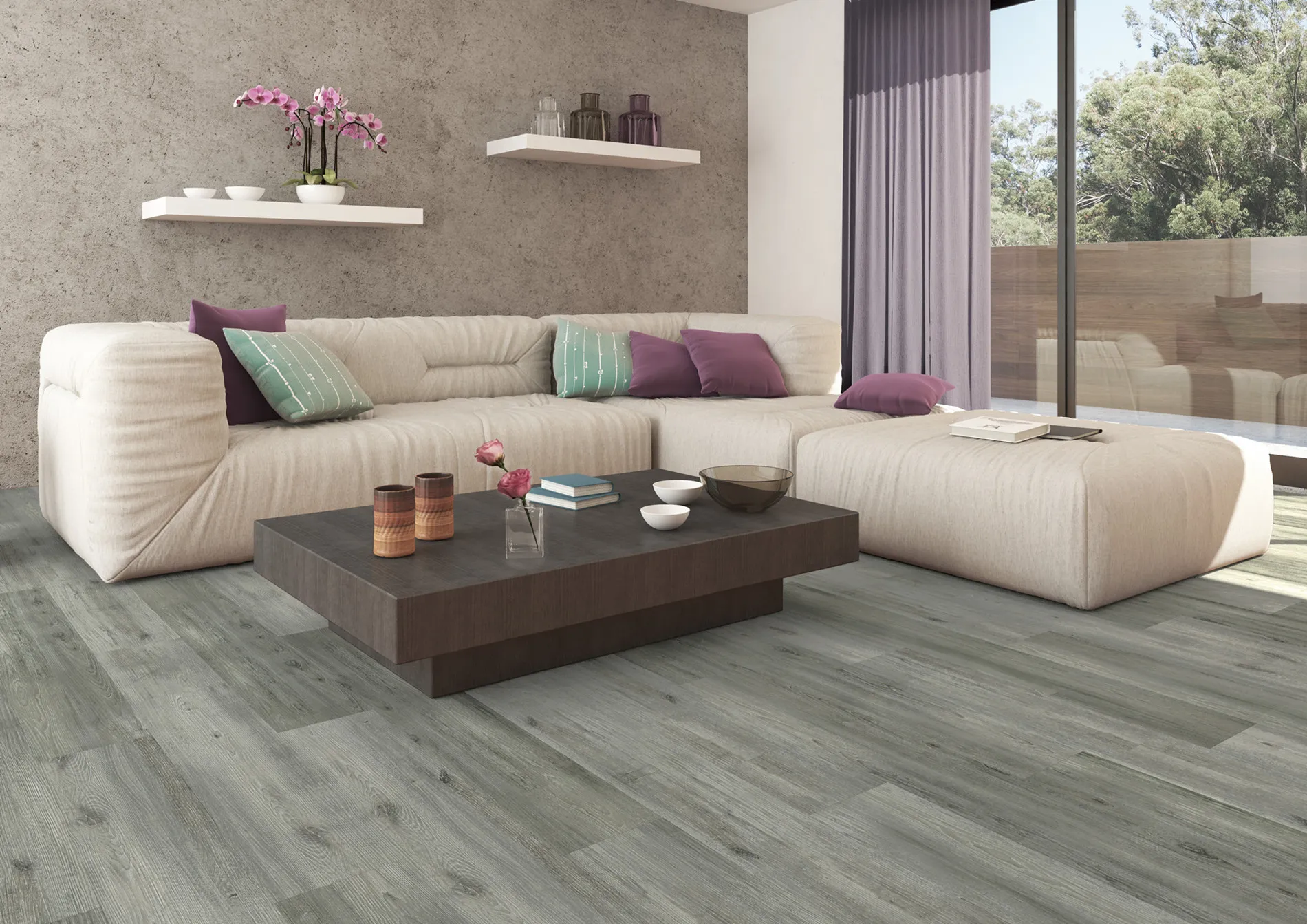
Install and clean it the right way
Two install details affect long-term air quality. First, the substrate — if you’re laying over a concrete slab, the slab needs to be dry, clean and flat. Our notes on how to lay vinyl on a concrete floor cover the moisture-test step that catches problems before the planks go down. Second, the underlay — a few ranges have it pre-attached, others need a separate acoustic underlay. The underlay for vinyl flooring guide walks through which is which.
For cleaning, skip ammonia, bleach, and steam mops. Warm water, a microfibre mop, and a pH-neutral floor cleaner are all the wear layer needs. Aggressive chemicals don’t make the floor cleaner — they degrade the finish and can release residues you don’t want.
The verdict
Vinyl plank flooring sold by reputable Australian retailers, with FloorScore or equivalent certification and a phthalate-free declaration, is a safe choice for family homes — including kids’ rooms and nurseries. Buy from a brand that publishes its certifications, ventilate during and after install, and clean with mild products. If you’re choosing flooring across the whole house, our guides on waterproof flooring options and best flooring for bedrooms will help you weigh vinyl against the alternatives.
Ready to shop? Browse our full vinyl plank flooring range online, or drop into our Sydney or Brisbane showroom to see the range in person.