
Every floating, glue-down or tiled floor needs a flat base, and on most renovations the subfloor is not flat enough as it is. Levelling is the line on the quote that surprises people, so here is what it costs, method by method, and what pushes the number around.
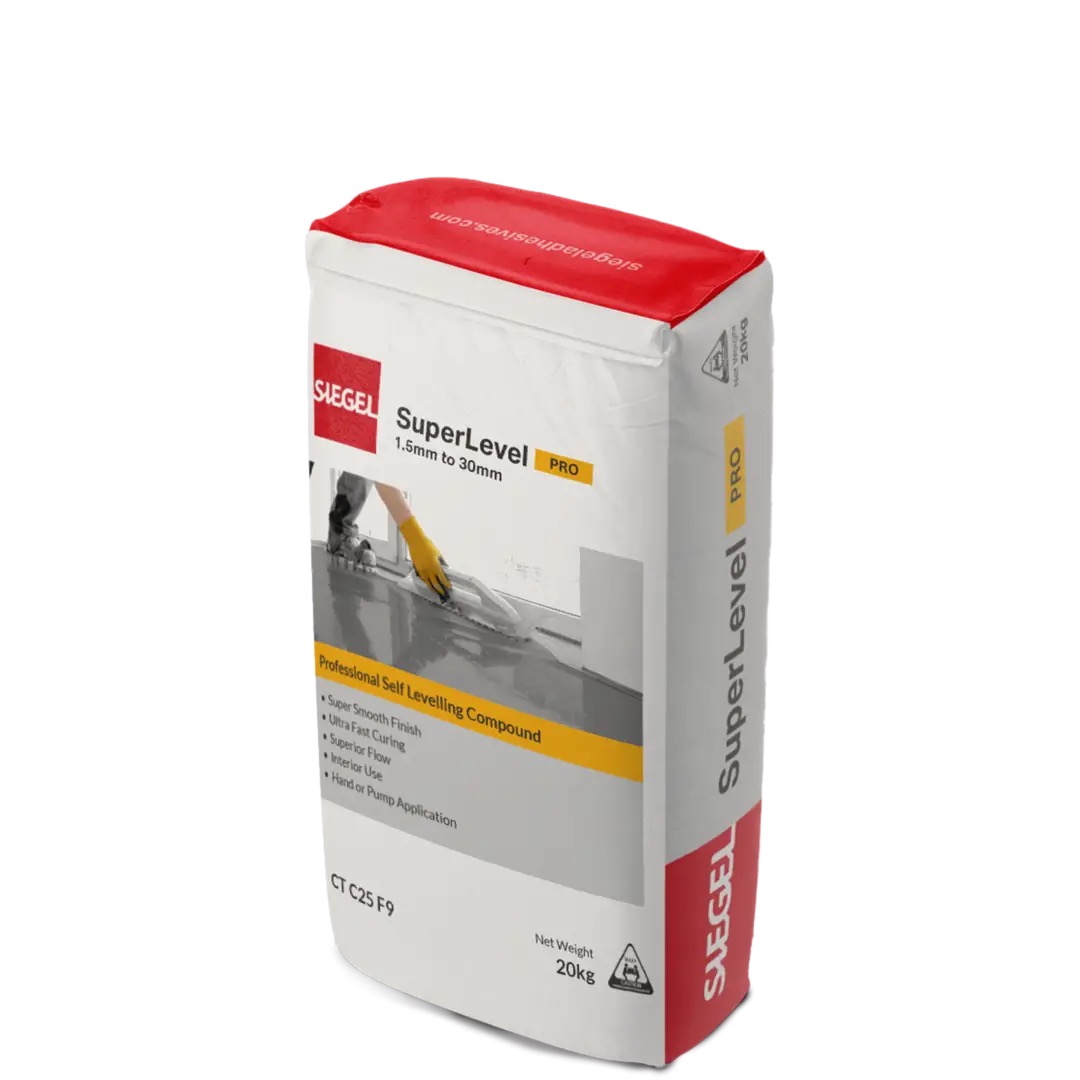
Typical costs per square metre
- Self-levelling compound (skim to 5mm): $20 to $40 per m² supplied and laid. Materials are roughly $8 to $15 per m² for a 3mm to 5mm skim; the rest is labour.
- Self-levelling compound (deep fill 10 to 20mm): $40 to $80 per m², because each 10mm of depth uses about a 20kg bag per square metre.
- Concrete grinding of high spots: $30 to $60 per m² for the areas ground, including machine hire and dust extraction.
- Patching and feathering isolated dips: $150 to $400 per job for small areas, using a patch compound.
- Plywood or fibre-cement sheeting over timber boards: $50 to $90 per m² supplied and fixed.
- Minimum call-out: most trades charge $300 to $500 for a small job regardless of area.
For a 60 square metre living area with a 3mm skim, expect $1,500 to $2,500. For the same area needing a 15mm fill over a badly poured slab, $3,000 to $5,000 is realistic.
What moves the price
- How far out the floor is. The tolerance for floating floors is 3mm over 2 metres. A slab that is 10mm out needs three times the material of one that is 3mm out.
- Slab condition. Old paint, tile adhesive, curing compounds and dust all have to come off before the compound will bond, and grinding adds cost.
- Priming. Every leveller needs a primer coat; porous or very smooth slabs may need two.
- Moisture. A damp slab needs a moisture barrier primer before levelling, adding $10 to $20 per m².
- Access. Upstairs apartments and long carries from the truck add labour.
Can you do it yourself?
A skim over a small room is within reach of a confident DIYer: prime, mix, pour, spread with a squeegee and spike roller, and walk on it the next day. The materials cost is the same either way; you save the labour. Bags of leveller and primer are sold on our Cemimax floor levellers page and our guide on levelling a floor yourself walks through the method. Deep fills, large areas and timber subfloors are worth paying a professional for.
Getting an accurate quote
Ask the installer to check the floor with a 2 metre straight edge before quoting and to state the levelling as a separate line with a rate per square metre and an assumed depth. “Levelling as required” on a quote is where surprises come from.
Frequently asked questions
About 1.6 to 1.8kg per square metre per millimetre of depth. A 20kg bag covers roughly 1 square metre at 10mm or 3 square metres at 3mm.
For floating floors and glue-down vinyl, within 3mm over any 2 metre span. Tiles are usually specified at 4mm over 2 metres.
Most compounds take foot traffic in 3 to 4 hours and can be covered with a floating floor in 24 hours. Glue-down vinyl and tiles usually need 24 to 72 hours depending on depth and humidity.