

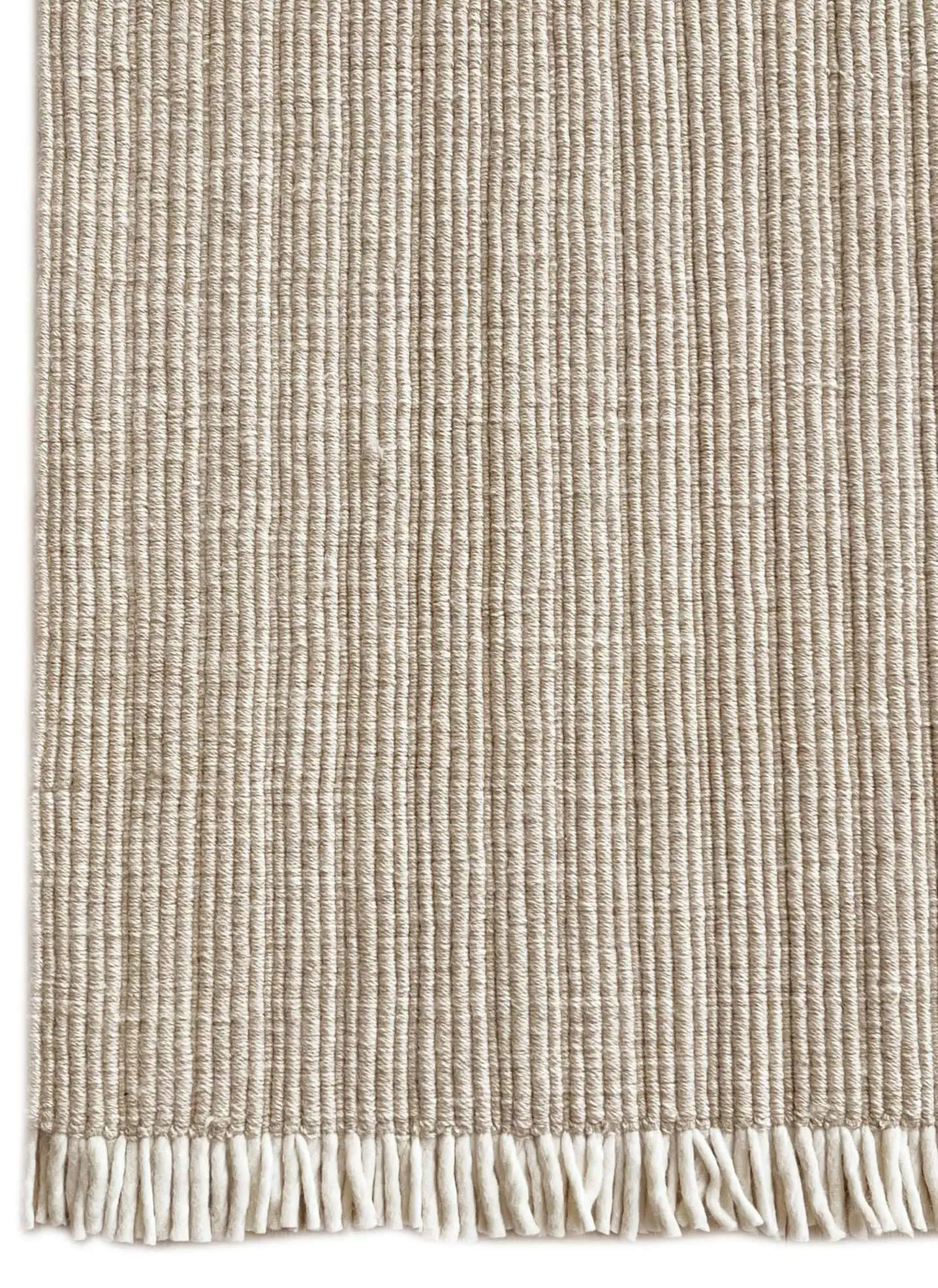
Yes, most rugs can be resized — but how cleanly it can be done depends entirely on how the rug was made. A machine-woven synthetic rug can be cut down in an afternoon with a sharp knife and binding tape. A hand-knotted wool rug needs a professional rug binder or it’ll unravel from the cut edge. This guide covers what’s possible for each construction type, the tools you actually need, and when it’s worth paying someone else to do it.
The short answer by rug type
- Machine-woven synthetic (polypropylene, polyester, nylon): easiest to resize. Cut, seal the edge with hot glue or binding tape, done.
- Tufted rug (latex-backed): resizable, but the latex backing tends to crack and shed if you cut into it. Bind the new edge or it’ll fray.
- Hand-knotted wool or silk: resizable, but only by a professional. Cutting the warp threads on these without re-tying the knots will cost you the rug.
- Flat-woven (kilim, dhurrie): can be cut and re-bound, but the woven structure means the new edge needs hand-stitching to hold.
- Sisal, jute, seagrass: generally cuttable, but the fibres shed badly without a proper bound or serged edge.
Resizing a machine-made rug yourself
For a synthetic machine-woven rug, this is a one-hour job with the right gear. You’ll need a sharp utility knife, a long straight edge (a spirit level works), a chalk line or painter’s tape to mark the cut, and either a hot-glue gun or fabric binding tape to seal the new edge.
- Lay the rug flat on a hard floor — not over carpet — face down.
- Mark the cut line on the back with chalk or painter’s tape. Measure twice.
- Run the utility knife along the straight edge in one slow pass. Don’t saw at it.
- Flip the rug over and check the cut from the pile side.
- Apply hot glue or iron-on binding tape along the back edge to lock the fibres in place.
If you want a more finished look — for a rug going under furniture in a master bedroom, for example — take it to a rug binder for a serged or fabric-bound edge. We’d recommend that route for any rug you’ve spent more than a couple of hundred dollars on, because a glued edge can lift over time on a heavily trafficked rug.
When to use a professional rug binder
For tufted, hand-knotted, flat-woven and natural-fibre rugs, a professional rug binder will cut the rug to size and finish the new edge with either fabric binding (a folded strip of cotton or polyester sewn around the cut) or serging (overlocked thread that matches the rug colour). Most metropolitan areas have at least one rug binding service. Expect to pay by the linear metre of edge being bound, not by rug size.
Hand-knotted Persian, Turkish and similar oriental rugs should never be resized at home. The structure is held together by knots tied around warp threads — if you cut through those threads without re-securing them, the rug will progressively unravel from the cut edge. A specialist will dismantle a row of knots, re-tie the ends and re-finish the edge so the structural integrity is preserved. It’s not cheap, but neither is the rug.
Will resizing affect the rug’s value?
For machine-made rugs, resizing has no real impact on resale or sentimental value — these aren’t appreciating assets. For hand-knotted antiques and collectible rugs, cutting them down almost always reduces the value, even when done well. If the rug has any provenance or age to it, get a valuation before you alter it. A pad on a slightly oversized rug is often a better answer than cutting a rug you can’t replace.
Choosing the right rug size for the room
Before you cut, it’s worth checking that resizing is actually the answer. The most common reason people want to resize a rug is that it’s too big for the space — usually a bedroom or a living area where the rug crowds the furniture. The standard rule for a bedroom is that the rug should extend at least 60-70 cm past the sides and foot of the bed, with the head of the bed sitting either on or just off the rug. For a living area, the front legs of the sofa and armchairs should land on the rug.
If your rug is sitting awkwardly on the floor underneath, sometimes the issue is the floor it’s on rather than the rug itself. A pale rug on dark engineered timber flooring will read very differently from the same rug on light oak or on a hybrid flooring in a warm tone. We’ve covered room-by-room flooring and rug pairings in the best flooring options for bedrooms guide if you’re rethinking the whole room rather than just the rug size.
The bottom line
You can resize most rugs. Synthetic machine-woven rugs are a DIY job. Tufted, flat-woven and natural-fibre rugs are best taken to a rug binder. Hand-knotted antique rugs need a specialist or shouldn’t be cut at all. Measure twice, cut once, and if the rug has any meaningful value, pay someone who does this every week to handle it for you.
Ready to shop? Browse our full rugs range online, or drop into our Sydney or Brisbane showroom to see the range in person.