
Vinyl flooring rolls — also called sheet vinyl — are still the cheapest way to put a fully waterproof, wipe-clean floor down in an Australian home. You’re typically looking at $15-$40 per square metre for the material itself, before underlay or install. That’s well below click-lock vinyl planks, hybrid, or laminate. The trade-off is the look, the joins, and the fact that one bad cut can ruin a whole roll. This guide covers when vinyl rolls are the right call, when you should step up to click-lock vinyl planks instead, and what to check before you order.

What you actually get for the price
A vinyl flooring roll is a single sheet of PVC, usually 2 m, 3 m or 4 m wide, sold by the linear metre. It has a printed decor layer (timber-look, tile-look, or solid) under a clear wear layer. The thicker the wear layer — measured in millimetres — the longer it lasts. As a rough guide:
- 0.15-0.20 mm wear layer: rental-grade. Suits a low-traffic spare room or short-term fix. Will scuff inside a year of family use.
- 0.25-0.40 mm wear layer: the typical mid-range residential spec. Good for a kitchen, laundry, or rumpus room.
- 0.50 mm-plus wear layer: commercial-grade sheet vinyl. Overkill for a home unless you have a busy entry or run a home business.
Roll thickness overall (decor + wear + backing) is usually 2-4 mm. A 4 mm roll feels softer underfoot and hides more of what’s beneath it.
Where vinyl rolls suit, and where they don’t
Sheet vinyl makes the most sense in three situations:
- Wet zones in rentals or short-term holds: laundries, kitchens, second bathrooms. One continuous sheet means almost no seams, which is the weak point in any vinyl product.
- Small rooms under 4 m wide: if the room fits inside the roll width, you can lay the entire floor with no seams at all.
- Tight budgets where the alternative is keeping a worn-out floor: a $25/m2 vinyl roll over a clean, flat subfloor will look and perform far better than tired carpet or cracked tiles.
Where rolls don’t suit: open-plan living areas wider than 4 m (you’ll get a visible join down the middle), homes you plan to keep long-term (the look dates faster than plank vinyl), or anywhere with uneven subfloors. Sheet vinyl telegraphs every bump and gap underneath — the prep work has to be right.
Vinyl rolls vs click-lock vinyl planks
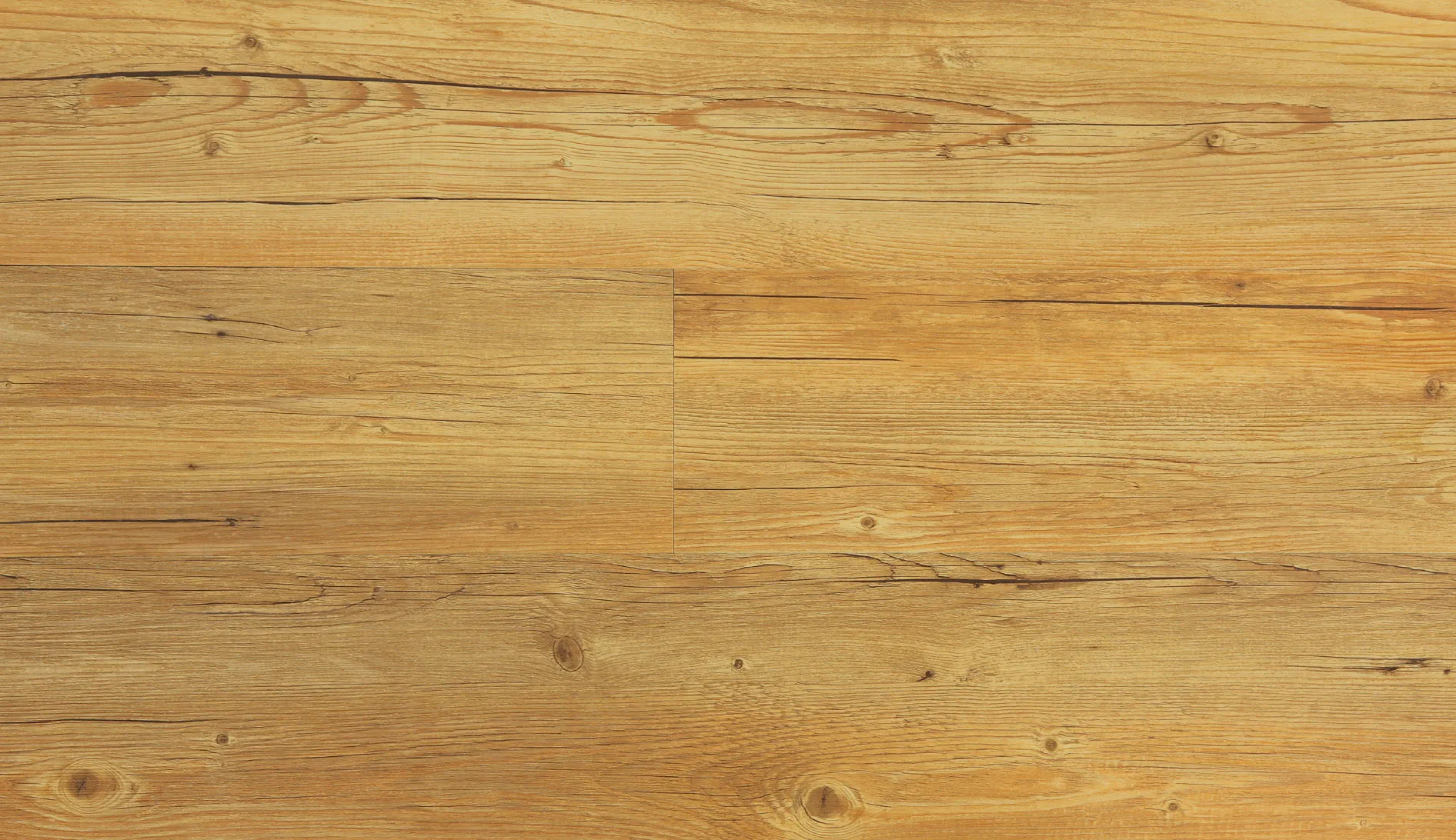
If your budget can stretch from roughly $25/m2 (sheet vinyl) to $45-$70/m2 (click-lock LVP or SPC hybrid), the planks are usually worth it. The decor printing is sharper, the planks have realistic embossed grain, and you can lift and replace one damaged plank without redoing the whole floor. Plank vinyl also clicks together over an existing flat subfloor without needing to be glued down — easier for a DIY install. Our notes on whether you need underlay for vinyl flooring apply to both rolls and planks, but the answer differs.
That said, sheet vinyl still wins in two specific scenarios: laundries with floor wastes (the seamless sheet is genuinely more waterproof than any clicked floor), and rooms under the roll width where you want zero joins for cleaning reasons.
Subfloor prep — where most cheap vinyl rolls fail
Sheet vinyl is thin and flexible, so it shows every imperfection in the subfloor. Before you lay it:
- Sweep, vacuum, then run your hand over the subfloor. Any grit becomes a bump you’ll see and feel through the vinyl.
- Patch holes, gaps, and old screw heads with a self-levelling compound on concrete, or a thin plywood underlay sheet on timber.
- Check for moisture if you’re laying on concrete — a slab less than 6 weeks old or a slab on ground without a vapour barrier will cause adhesive failure. We’ve covered this in detail in our guide to whether you can lay vinyl on a concrete floor.
- Acclimatise the roll in the room for 24-48 hours before cutting. Vinyl shrinks and expands with temperature and rolls can be tight when first unboxed.
A quick buying checklist
- Wear-layer thickness in millimetres — not just “thick” or “premium” marketing language.
- Roll width vs your room dimensions. A 4 m-wide roll covers most domestic rooms in one piece.
- Backing type — felt-backed is softer underfoot but worse around water; foam or vinyl-backed handles spills better.
- Whether the price includes adhesive and trim, or just the roll. Glue and trims can add $5-$10/m2.
- Australian compliance: look for products tested to AS/NZS slip ratings if you’re putting it in a wet zone.
The bottom line
Cheap vinyl flooring rolls earn their place in laundries, small kitchens, rentals, and budget renovations where the alternative is leaving worn flooring down. For the rest of the house — living areas, hallways, bedrooms — click-lock vinyl planks usually pay back the extra outlay in look and longevity. If you’re weighing it up across the whole home, our guides on waterproof flooring options and best flooring for kitchens are the natural next reads. Pop into our Sydney or Brisbane showrooms with your room dimensions and we’ll tell you whether a roll or a plank is the better call for your space.
Ready to shop? Browse our full vinyl plank flooring range online, or drop into our Sydney or Brisbane showroom to see the range in person.