
Australian flooring guide · Reviewed 2026
Isocore Hickory Collection Hybrid Flooring Review
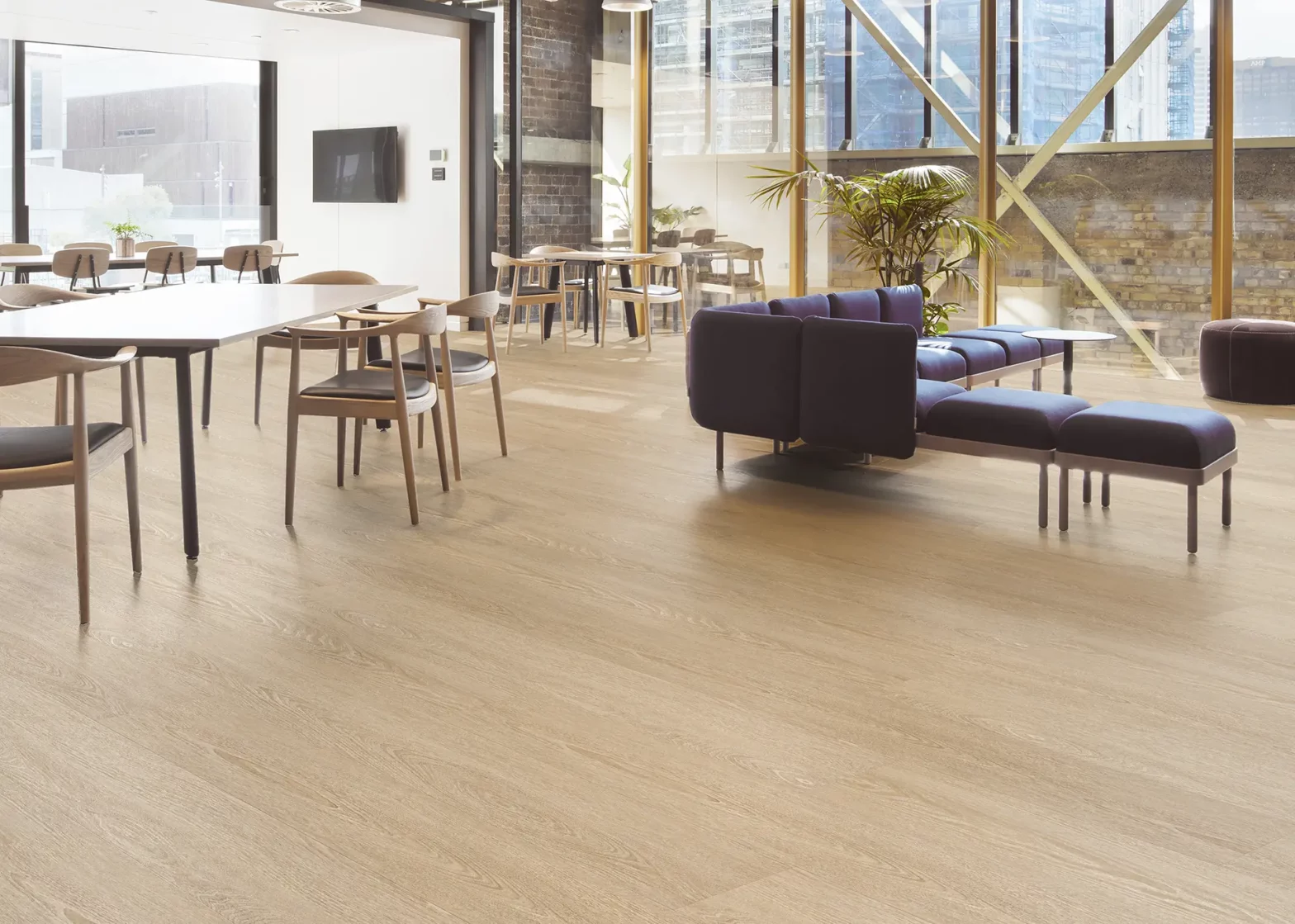
Isocore is a hybrid flooring range we get asked about often, particularly the Hickory collection — hickory has a tighter, more characterful grain than the usual oak and spotted gum prints, and the Isocore line leans into that look.
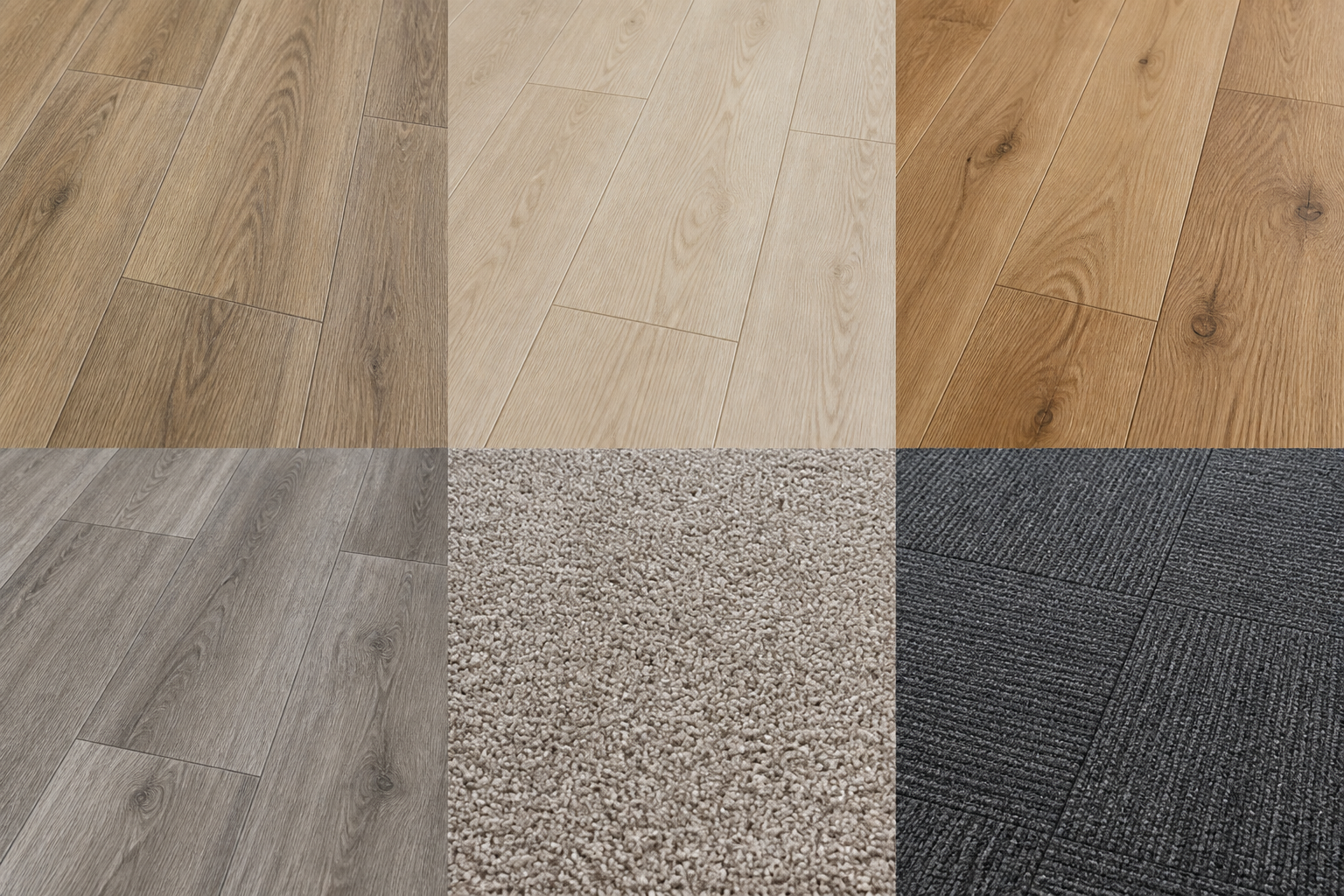
Isocore is a hybrid flooring range we get asked about often, particularly the Hickory collection — hickory has a tighter, more characterful grain than the usual oak and spotted gum prints, and the Isocore line leans into that look. This review covers what’s actually in the plank, where it suits, where it doesn’t, and how it lines up against other hybrid flooring brands sold in Australia.
What’s in the plank
Isocore is built around a Cellular Polymer Core (CPC). It’s a rigid composite core that sits in the same family as SPC and RCB hybrids — denser than laminate, dimensionally stable through temperature swings, and waterproof through the body of the plank rather than only at the surface. The wear layer carries the printed hickory decor, and the bottom of the plank has a pre-attached IXPE foam backing.
- Cellular Polymer Core (CPC) — rigid, waterproof, dimensionally stable
- Pre-attached IXPE foam backing for shock absorption and a softer step
- Printed hickory decor with an embossed wear layer
- Click-lock joinery for a glueless floating install
- Ultra-Fresh treatment in the wear layer to inhibit mould and mildew
The IXPE backing matters for two reasons. First, you don’t need to buy and lay a separate foam underlay — it’s already there. Second, IXPE is a closed-cell foam, so it doesn’t soak up water if a spill works its way to the edge of a plank, which is the failure point on cheaper open-cell underlays.
Where Isocore Hickory works well
Because the core is waterproof, Isocore suits the rooms where engineered timber would be a risk: kitchens, laundries, downstairs living areas on slab. The Ultra-Fresh treatment is a sensible inclusion in laundries and ground-floor zones where mould pressure is higher. The hickory print sits well in homes leaning to a more rustic or character-grade look — if you’ve been cross-shopping the lighter European oaks and finding them too plain, hickory gives you more figure without going as dark as a smoked spotted gum.
It’s also rated for high-traffic areas, which in practical terms means hallways, entry zones, and open-plan living that copes with kids, dogs, and dropped shopping bags without the wear layer giving up.
Installing over tiles
One of the practical wins with Isocore is that it can go directly over existing tiles, provided the grout lines are narrow and shallow. The general rule we work to is grout joints no wider than 5 mm and no deeper than around 4 mm; anything chunkier and the plank will telegraph the grout pattern through the surface, or rock on the high points and click apart over time. If your tiles have wide farmhouse-style grout, you’ll need to skim the floor with a self-leveller before laying.
Subfloor flatness is the other gating issue. Hybrid is rigid, so it won’t hide undulation. We’d recommend any subfloor — tile, concrete, or particleboard — be flat to within around 3 mm over a 2 m span before install.
Where it doesn’t suit
Like all rigid-core hybrids, Isocore is firm underfoot. The IXPE backing softens it a touch, but if you’re laying upstairs in an apartment with body-corporate acoustic requirements, you may still need a thicker rated acoustic underlay over the top of what’s already attached. Check the BCA rating against your strata bylaw before you commit.
It also isn’t the right pick if you want a real timber surface — the decor is a print, and while the embossing makes it convincing at standing height, it won’t sand back and refinish the way engineered timber will in twenty years. If that matters to you, engineered is the path.
How Isocore compares to other hybrids
The CPC core puts Isocore in the rigid-hybrid camp alongside SPC and RCB products. SPC tends to be the densest and most stable, RCB is slightly softer underfoot and a bit more forgiving over imperfect subfloors, and CPC sits in between depending on the specific Isocore SKU. We’ve written a fuller SPC vs RCB breakdown if you want to dig into the core differences before choosing. For broader budgeting, our hybrid flooring cost guide walks through what an installed price typically looks like across the major ranges.
Should you buy it?
If you want one floor that runs from kitchen through to living and laundry, copes with water, and gives you a hickory grain rather than the standard oak look, Isocore Hickory is a fair pick. Plan the install: check your subfloor flatness, measure your grout lines if you’re going over tiles, and factor in an acoustic underlay if you’re upstairs. Bring a sample home and look at it under your own light before you commit — hickory reads very differently in a north-facing kitchen versus a southern living room. For a wider view of options that pass the wet-zone test, see our guide to waterproof flooring options.
Sources and verification
- The Flooring Guys: current hybrid flooring range — current products, thickness filters and advertised supply pricing.
Compare the complete floor, not one headline number.
Bring your room dimensions, subfloor details and any strata requirement. We can help shortlist compatible products and prepare an itemised flooring quote.