

Australian flooring guide · Reviewed 2026
Which is the Healthiest Flooring for Homes?
There is no universally “healthiest” floor. A better comparison considers measured chemical emissions, moisture and mould risk, cleanability, slip and fall needs, allergens, installation products and the occupant's own sensitivities.
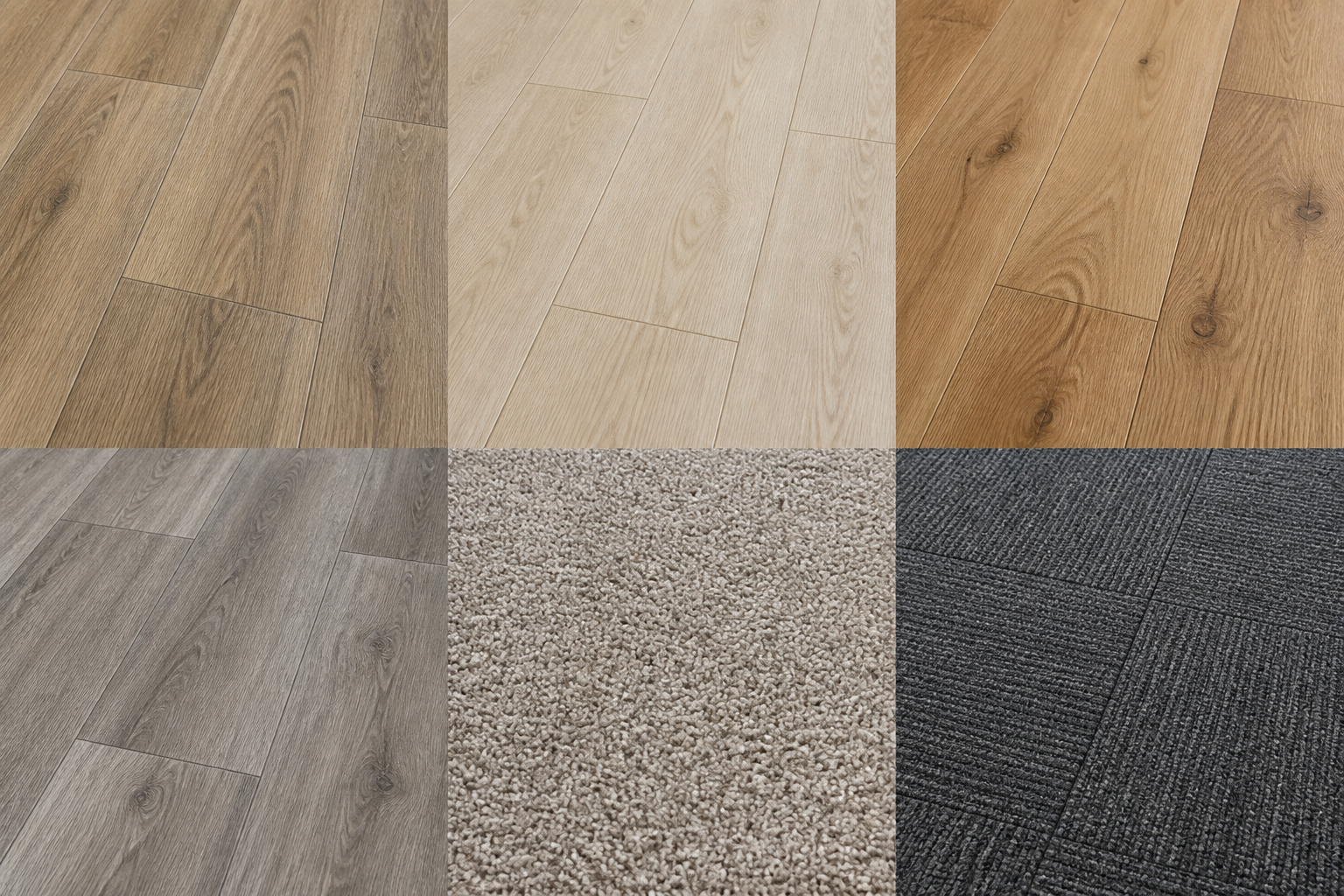
There is no universally “healthiest” floor. A better comparison considers measured chemical emissions, moisture and mould risk, cleanability, slip and fall needs, allergens, installation products and the occupant’s own sensitivities.
Use evidence, not material stereotypes
Natural does not automatically mean low-emission, and synthetic does not automatically mean unhealthy. Timber finishes, adhesives, sealants, backing materials and cleaning products can all affect indoor air. Ask for product-level documentation that matches the exact floor and every wet-applied installation product.
Indoor air
Look for recognised third-party finished-product VOC-emissions certification and verify the current listing.
Moisture
Choose a system appropriate to the room and control leaks and condensation. A surface label does not replace waterproofing.
Cleaning
Smooth hard floors can be easier to vacuum and damp-clean than textile surfaces, but the correct maintenance method still matters.
Safety and comfort
Consider slip resistance, softness, thermal comfort, glare and noise for the people using the room.
How common options compare
| Option | Potential advantage | Questions to ask |
|---|---|---|
| Tile | Inert surface, easy cleaning and suitable wet-area systems. | Slip, hardness, grout cleaning, cold feel and installation materials. |
| Timber / engineered timber | Renewable material options and repairable surfaces on some products. | Coating and adhesive emissions, certified sourcing, moisture limits and refinishing scope. |
| Linoleum | Resilient sheet option with recognised low-emission products available. | Exact composition, seam treatment, adhesive and local installer experience. |
| Hybrid / vinyl | Easy-clean surface and product lines with third-party emissions certificates. | Finished-product VOC evidence, phthalate declaration, room approval and accessory products. |
| Carpet | Softness, warmth and reduced in-room impact noise. | Emissions, fibre/backing, cleaning, dust management and moisture exposure. |
A practical selection process
- List occupant needs, including asthma, allergies, mobility or chemical sensitivities.
- Shortlist floors that suit the room’s moisture, sunlight and cleaning load.
- Verify independent emissions documentation for the exact products.
- Include adhesives, levellers, sealants and finishes in the review.
- Plan ventilation, cleaning and ongoing moisture control.
Bottom line
The healthiest choice is a documented, correctly installed and maintainable system suited to its occupants. For someone with a medical sensitivity, product certificates help with comparison but do not replace advice from a qualified health professional.
Sources and verification
- SCS Global Services: FloorScore — finished-flooring VOC-emissions certification scope.
- UL Solutions: GREENGUARD Certification — chemical-emissions certification and Gold criteria.
Compare the complete floor, not one headline number.
Bring your room dimensions, subfloor details and any strata requirement. We can help shortlist compatible products and prepare an itemised flooring quote.